
Top Technical Failures Of Historic Masonry Homes
-
![]()
Improper Mortar & Vegatation Growth
-
![Mortar Mismatch]()
Mortar mismatch
-
![brick spalling]()
Brick spalling
-
![rising damp]()
Rising damp
-
![mortar]()
Rising Damp, Mortar Mismatch, & Brick Spalling
-
![mortar smears]()
Mortar Smears
-
![Masonry coating]()
masonry coating
-
![open mortar joints]()
Open mortar joints & missing crown
-
![mortar damaging surround masonry]()
Open Mortar Joints & Incompatible Mortar
-
![biological growth]()
Biological growth & masonry coating
-
![water damaged masonry]()
Water damage & Improper mortar
-
![mortar]()
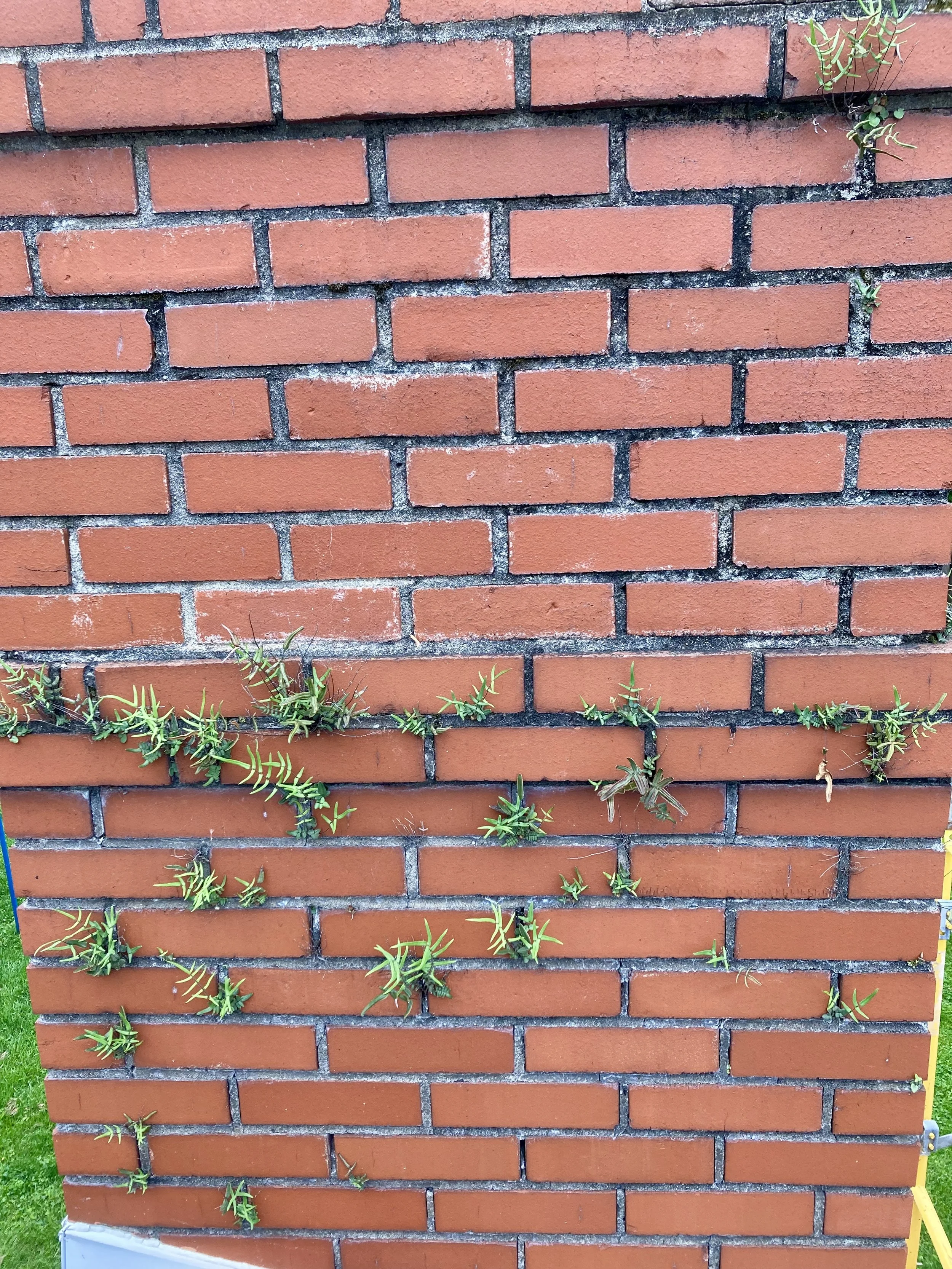
Vegetation Growth & Improper Mortar
-
![brick spalling]()
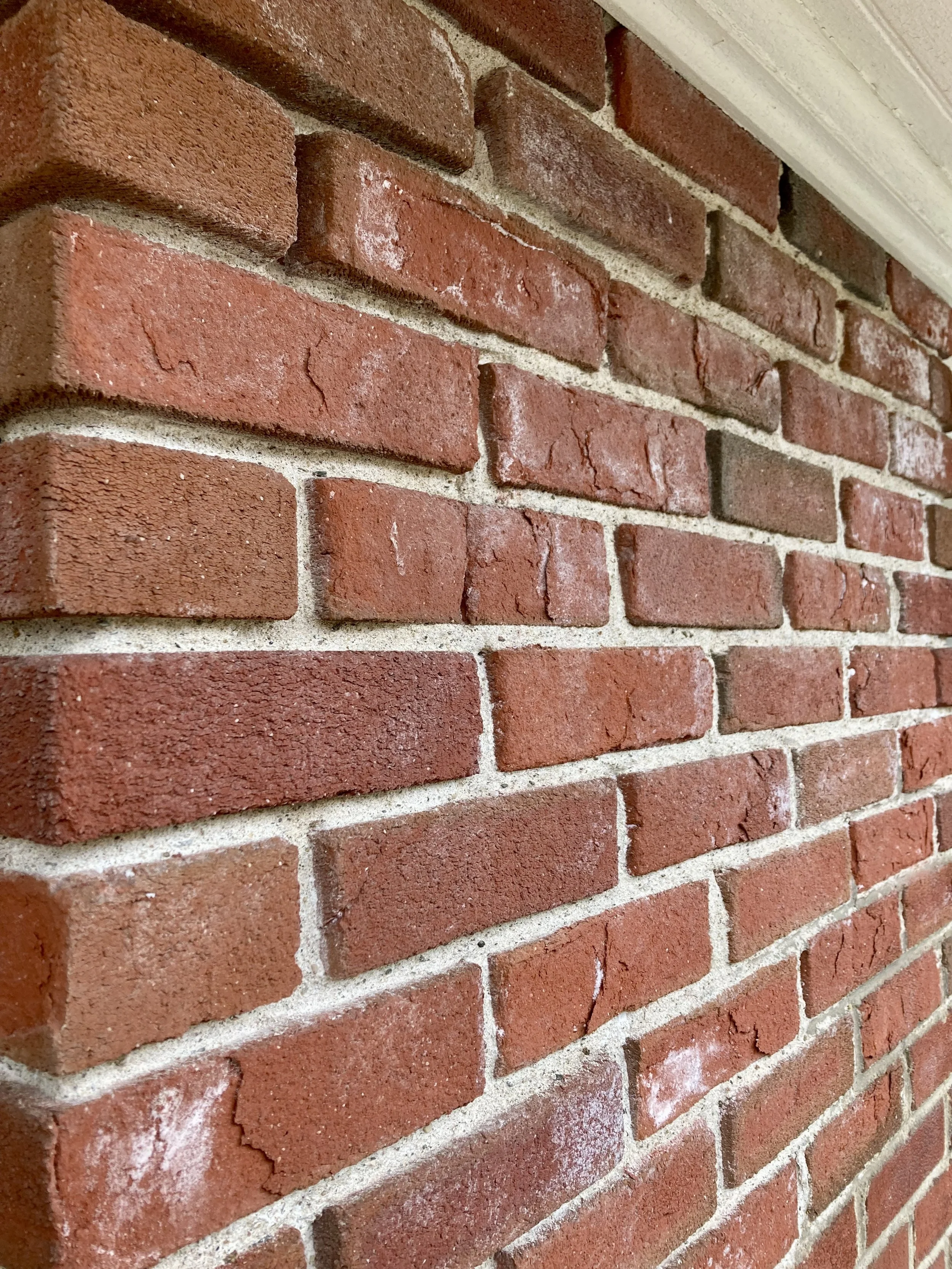
Brick spalling & Efflorescence
-
![masonry coating]()
masonry coating
-
![mortar joints]()
Mortar Mismatch
-
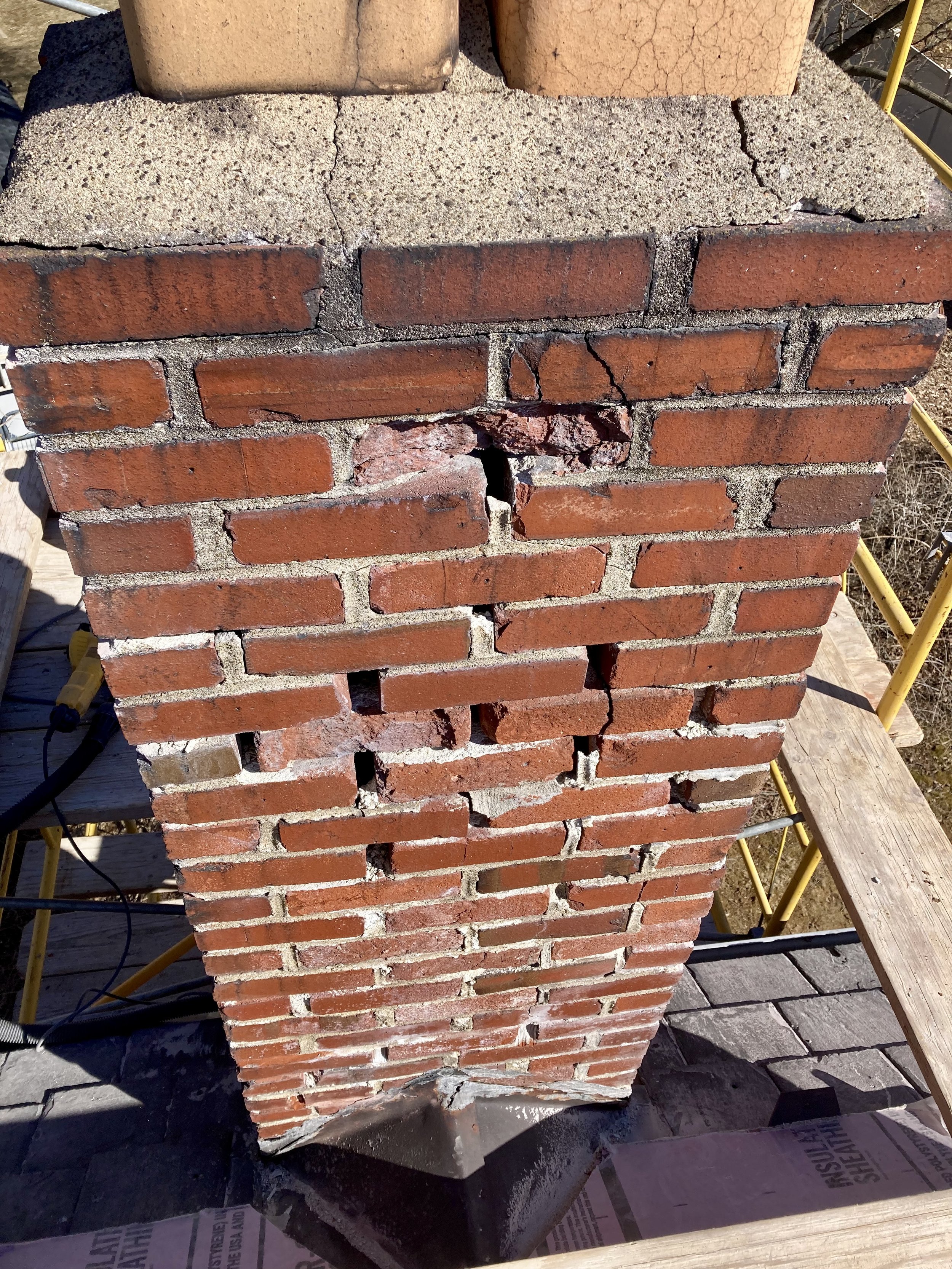
![brick cracking]()
Brick cracking, open mortar joints, brick spalling, & chimney crown cracking
-
![mortar joint profile]()
Mortar joint profile & color mismatch
-
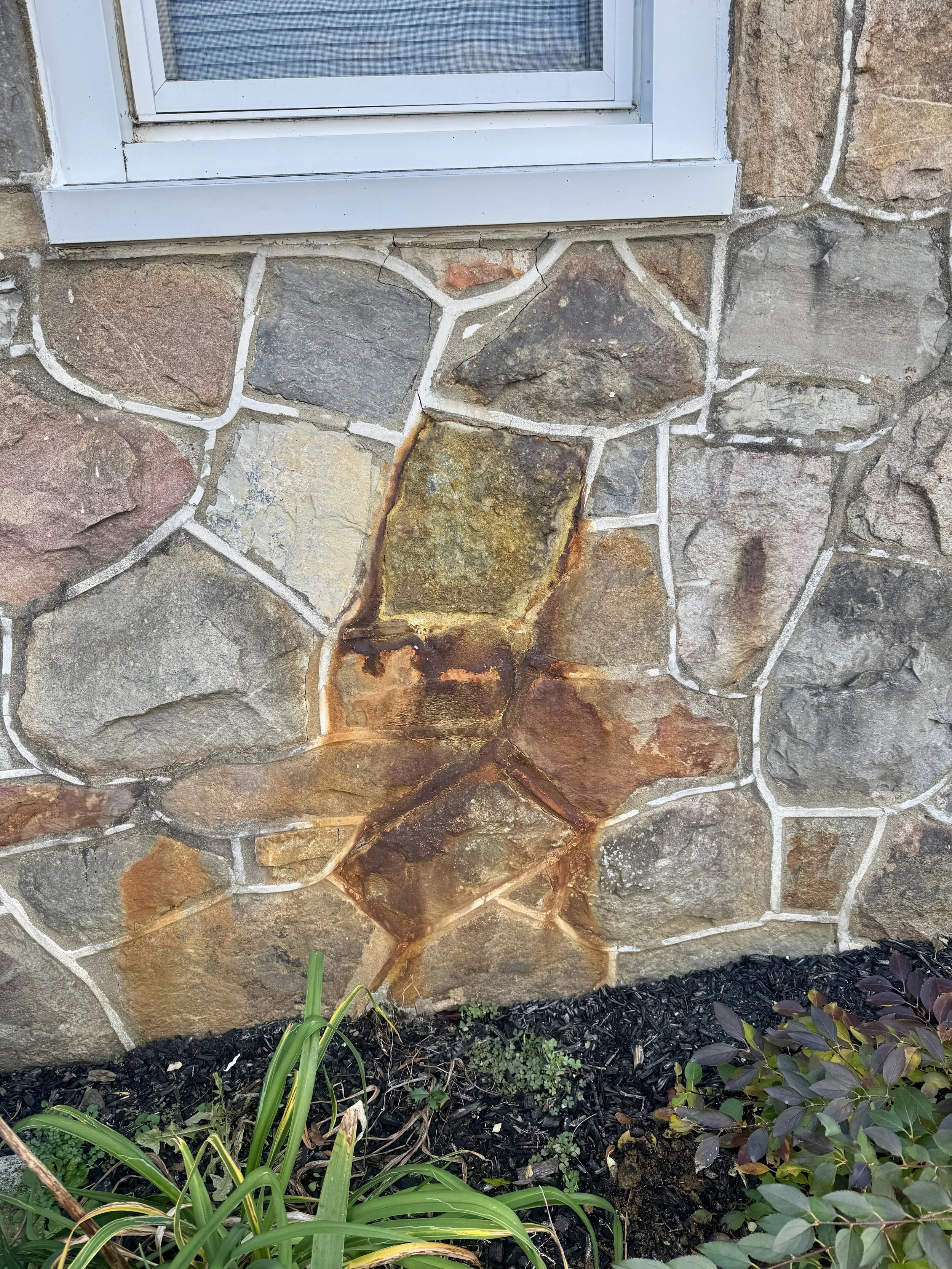
![rust staining]()
Natural Stone Rust Staining
-
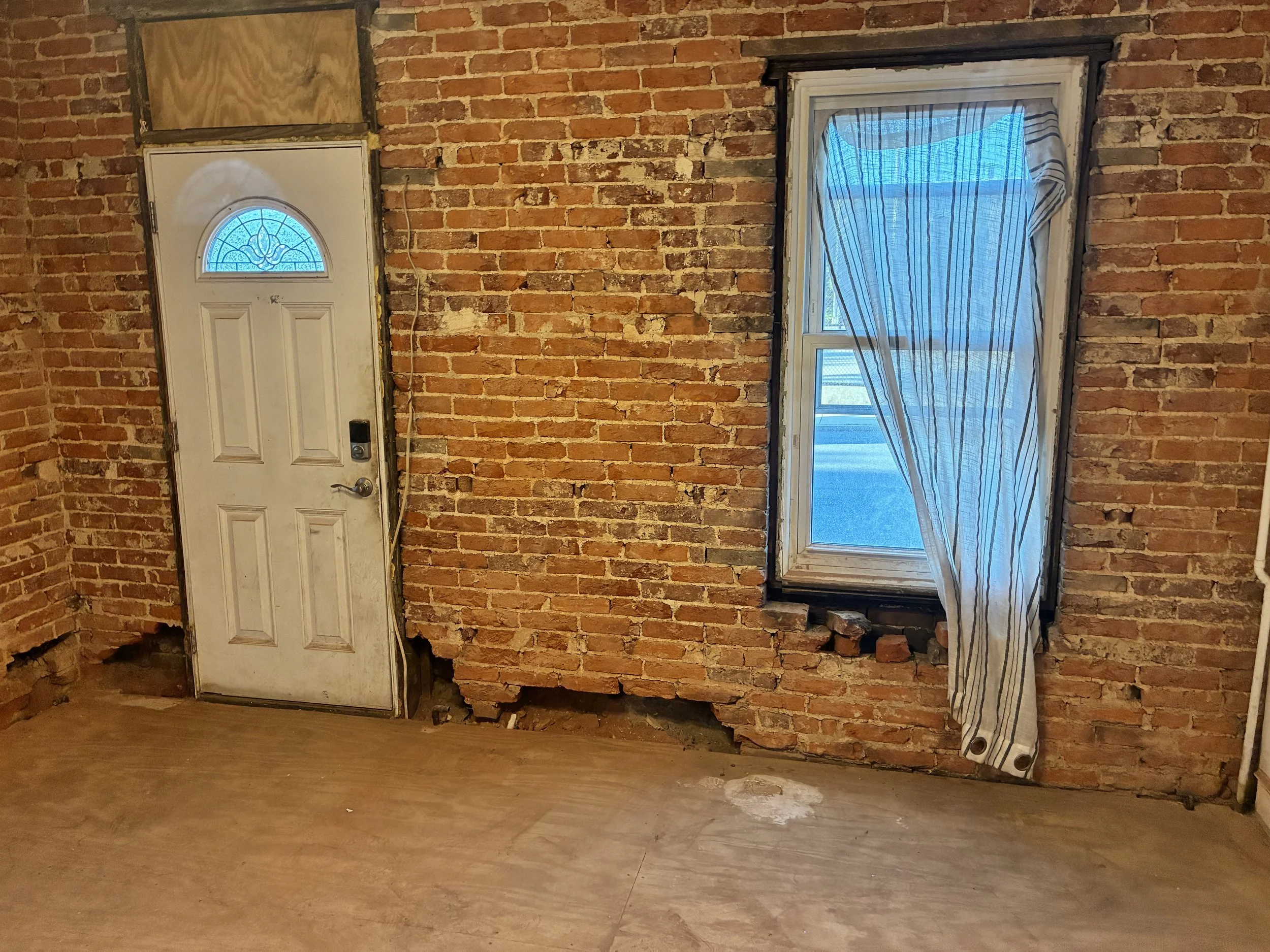
![rising damp]()
Rising Damp
-
![open mortar joint]()
Open mortar joint
-
![stone foundation wall]()
open mortar joints on stone foundation wall
-
![water intrusion on foundation wall]()
Water Intrusion On Stone Foundation Wall
-
![rust staining]()
Rust Staining
-
![Efflorescence]()
Efflorescence
-
![open mortar joints]()
Improper mortar & mortar joint profile mismatch
-
![mortar joint profile mismatch]()
Mortar joint profile mismatch
-
![mortar repair]()
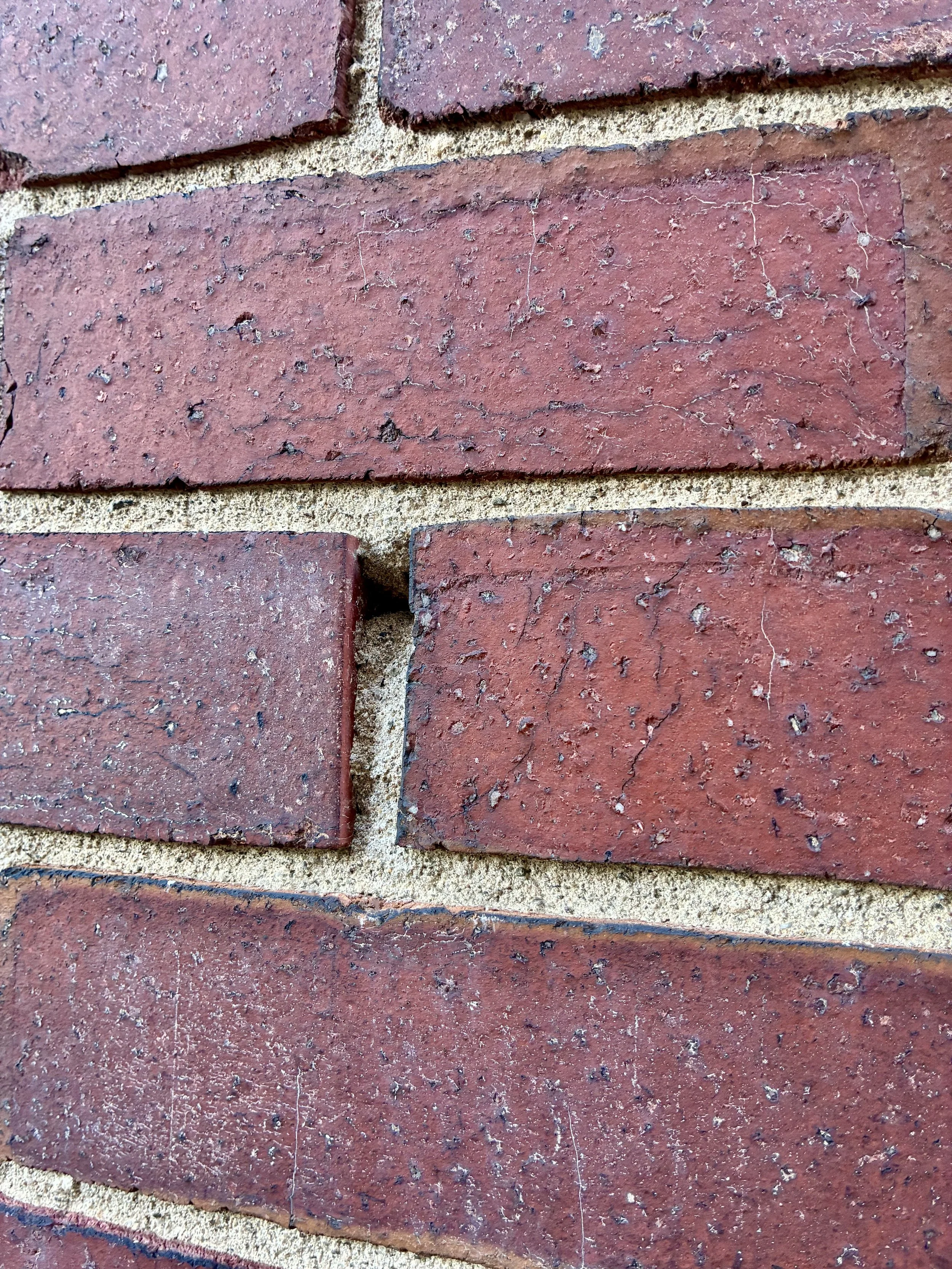
Mortar Strength Mismatch & Mortar Color Mismatch
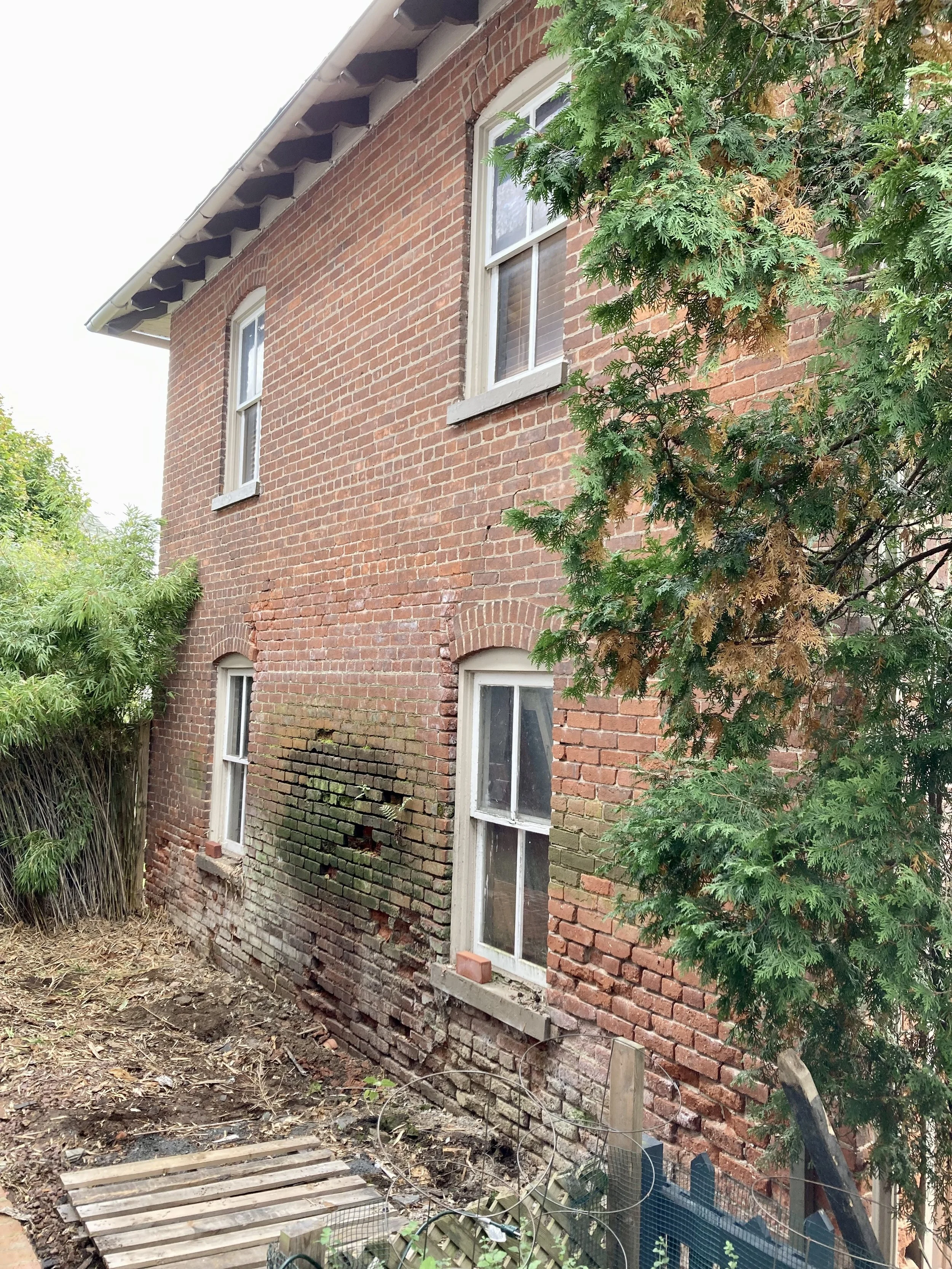
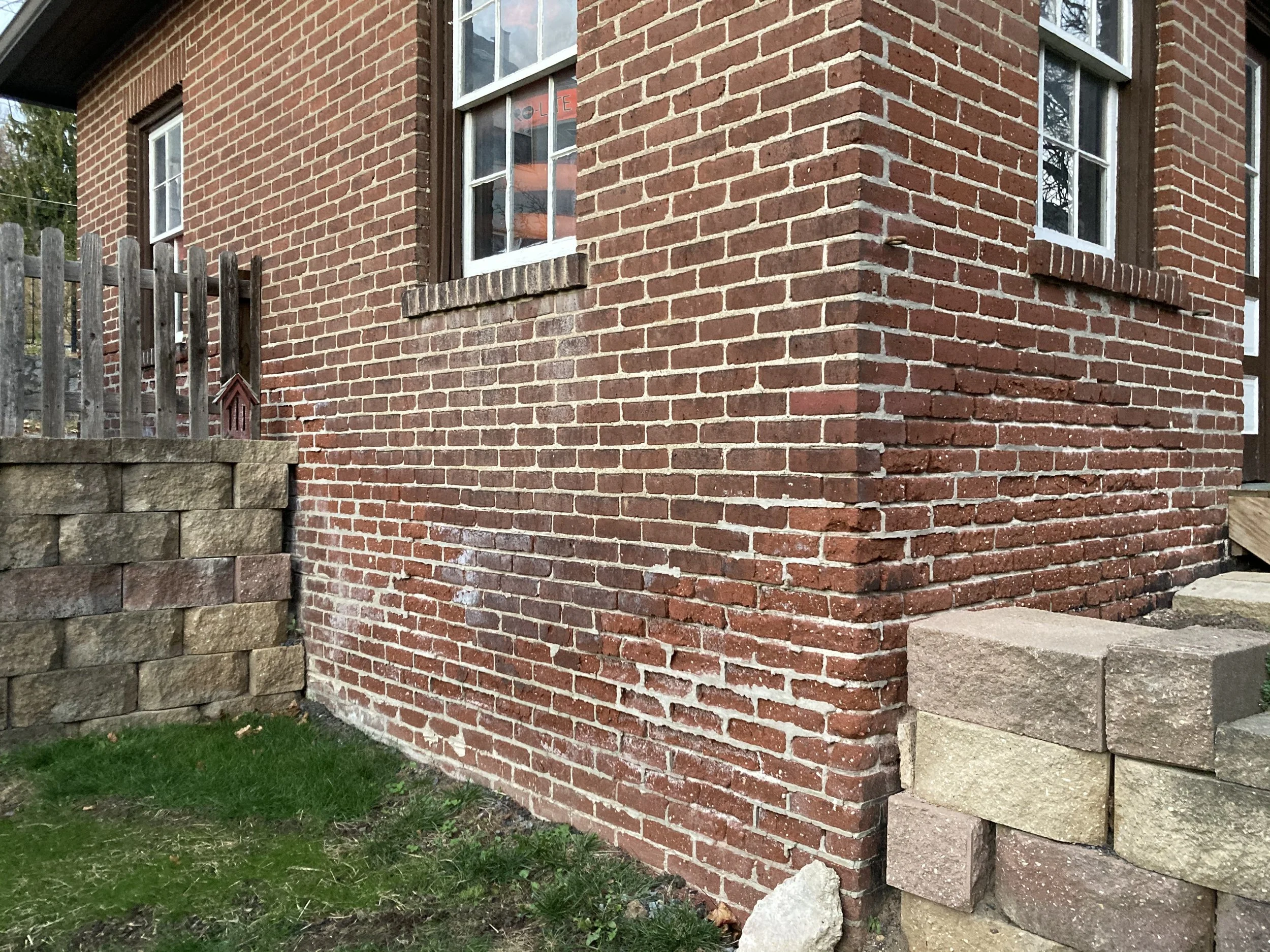
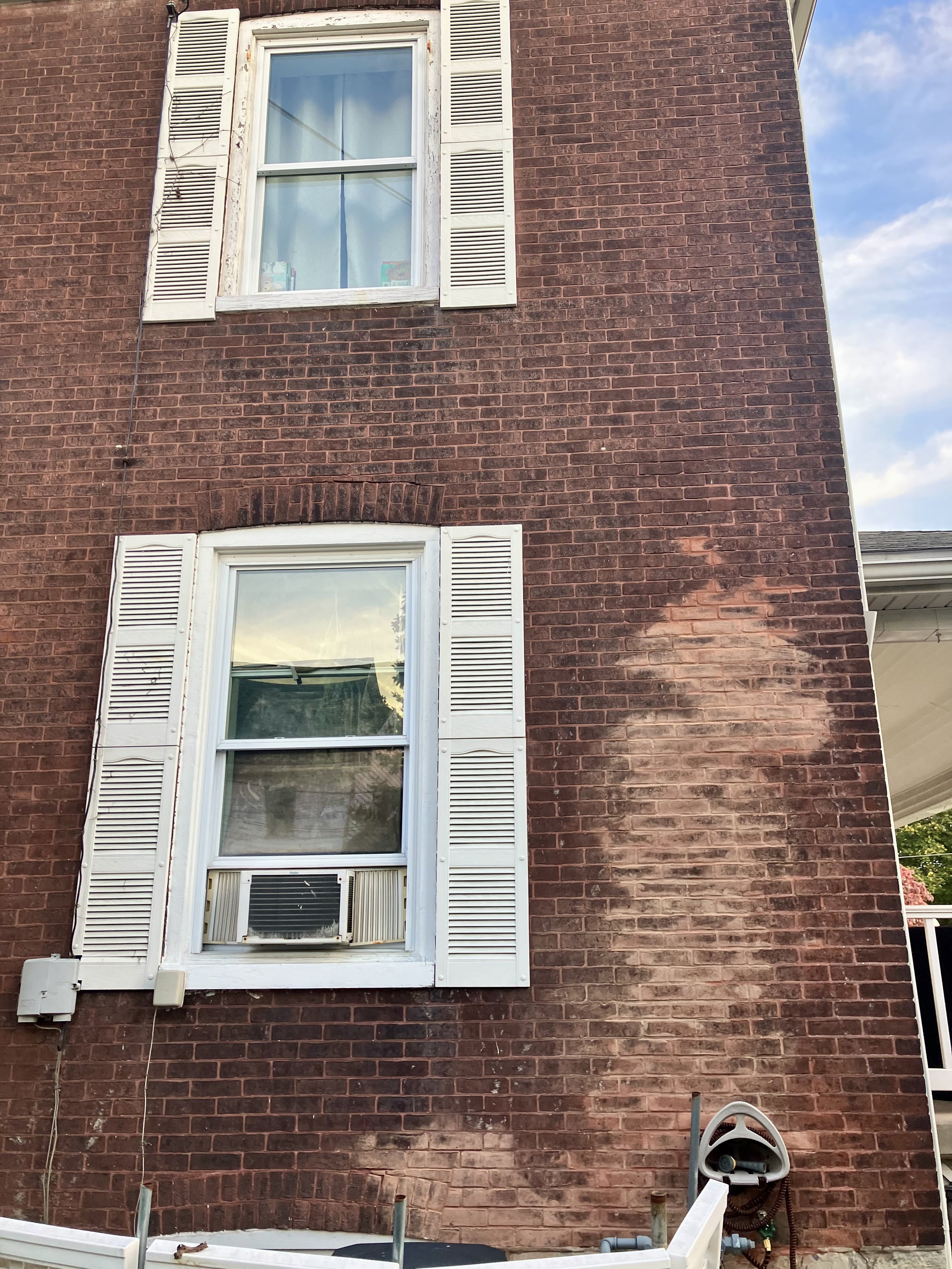
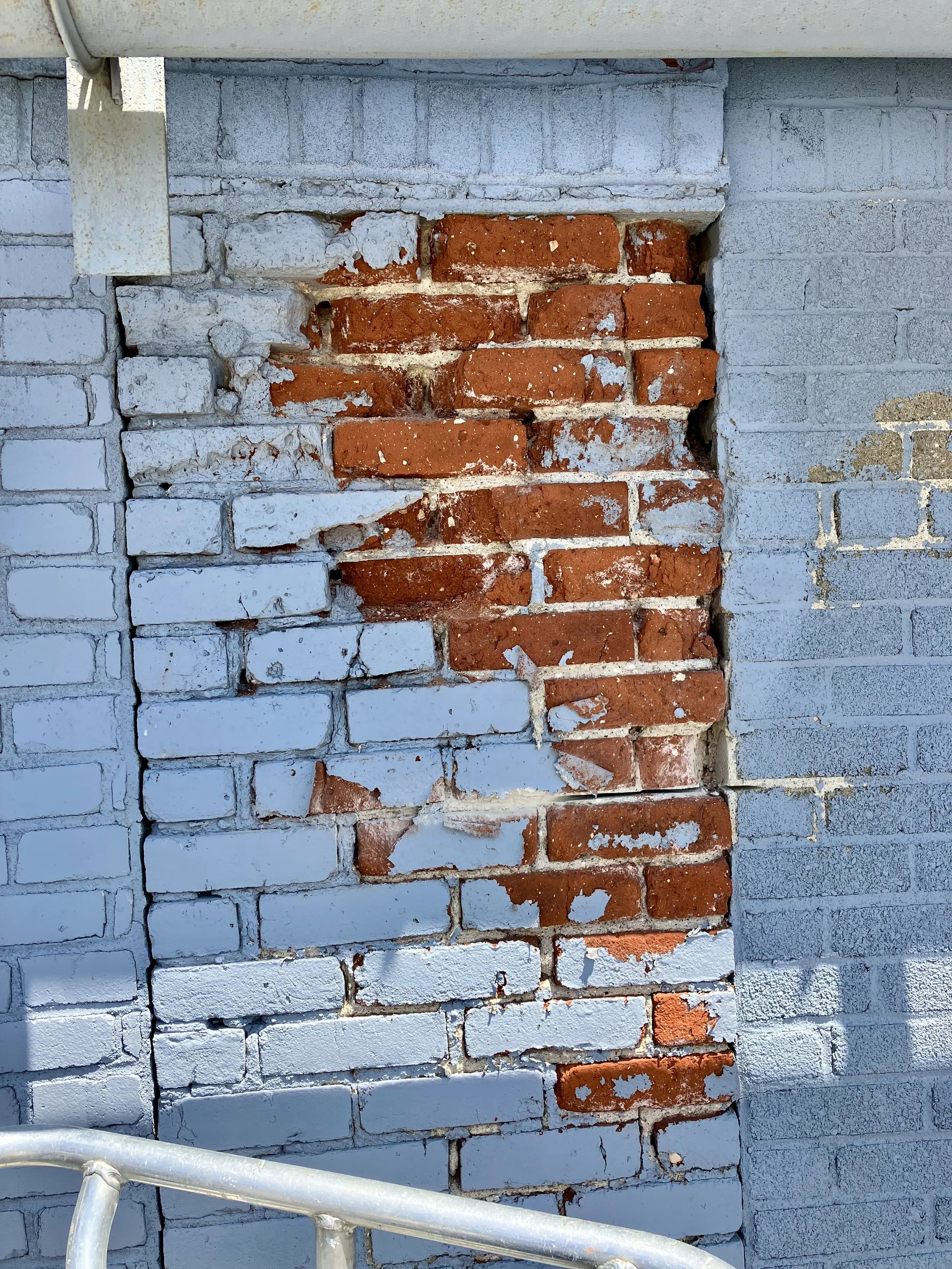
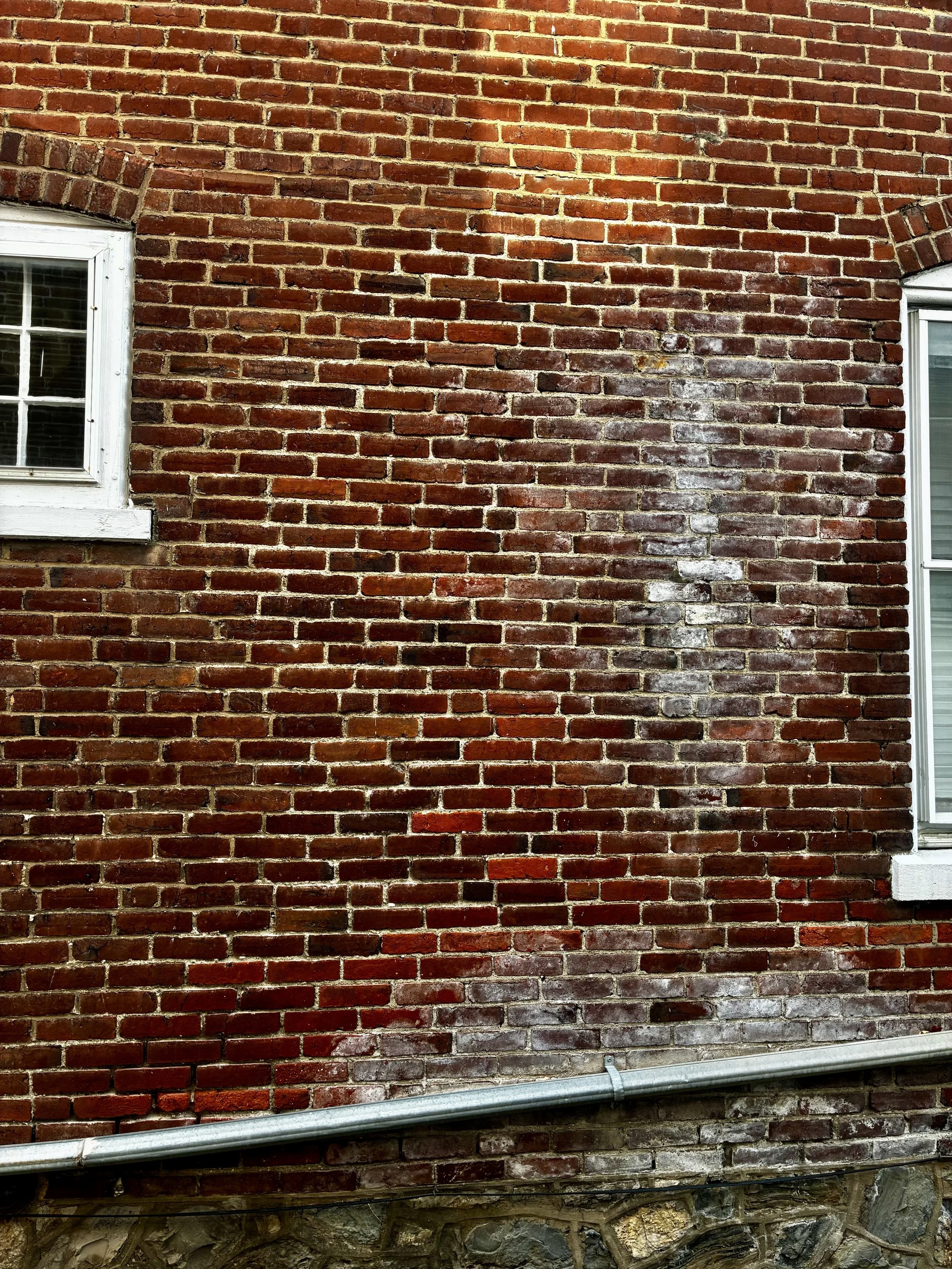
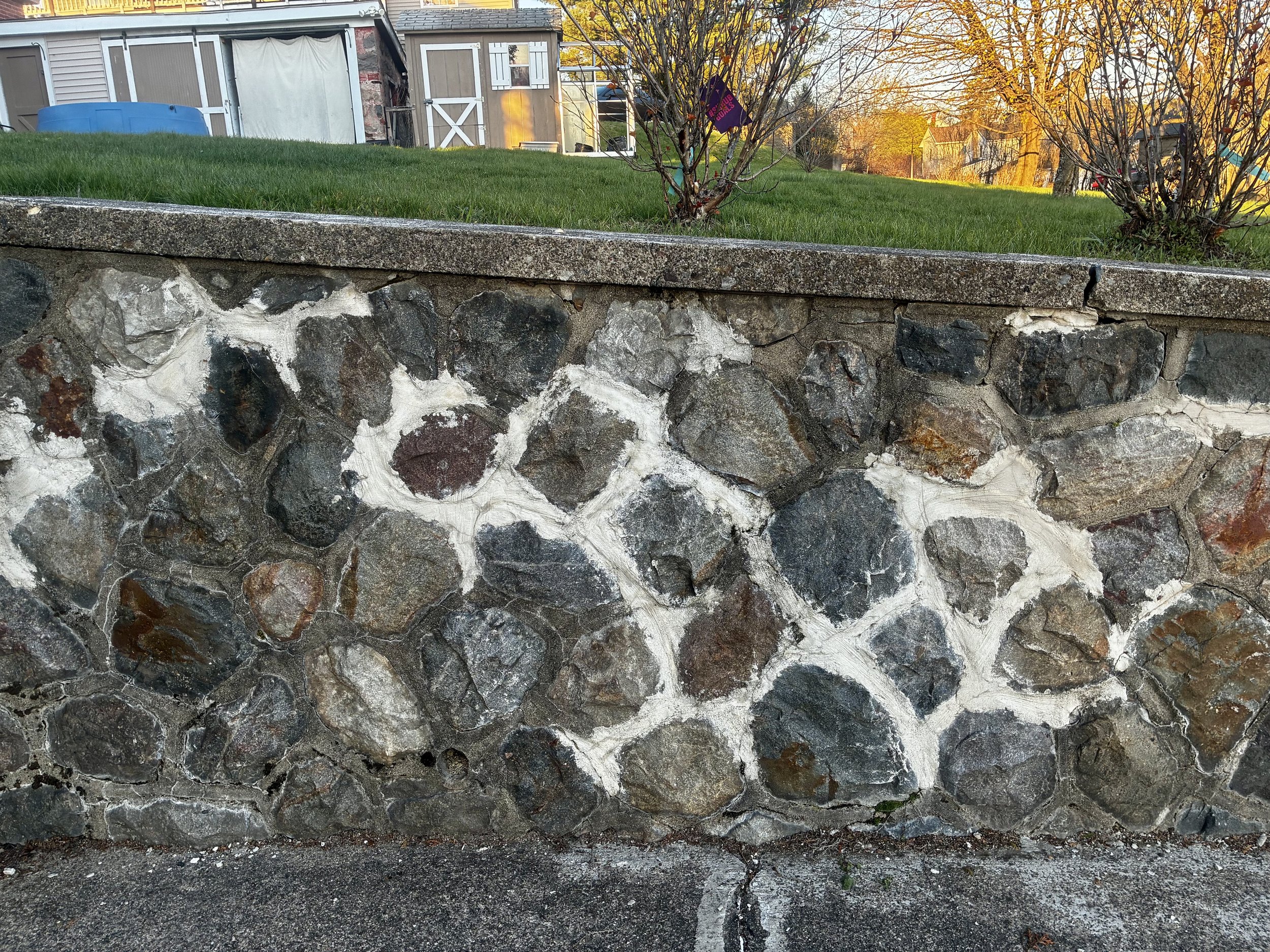
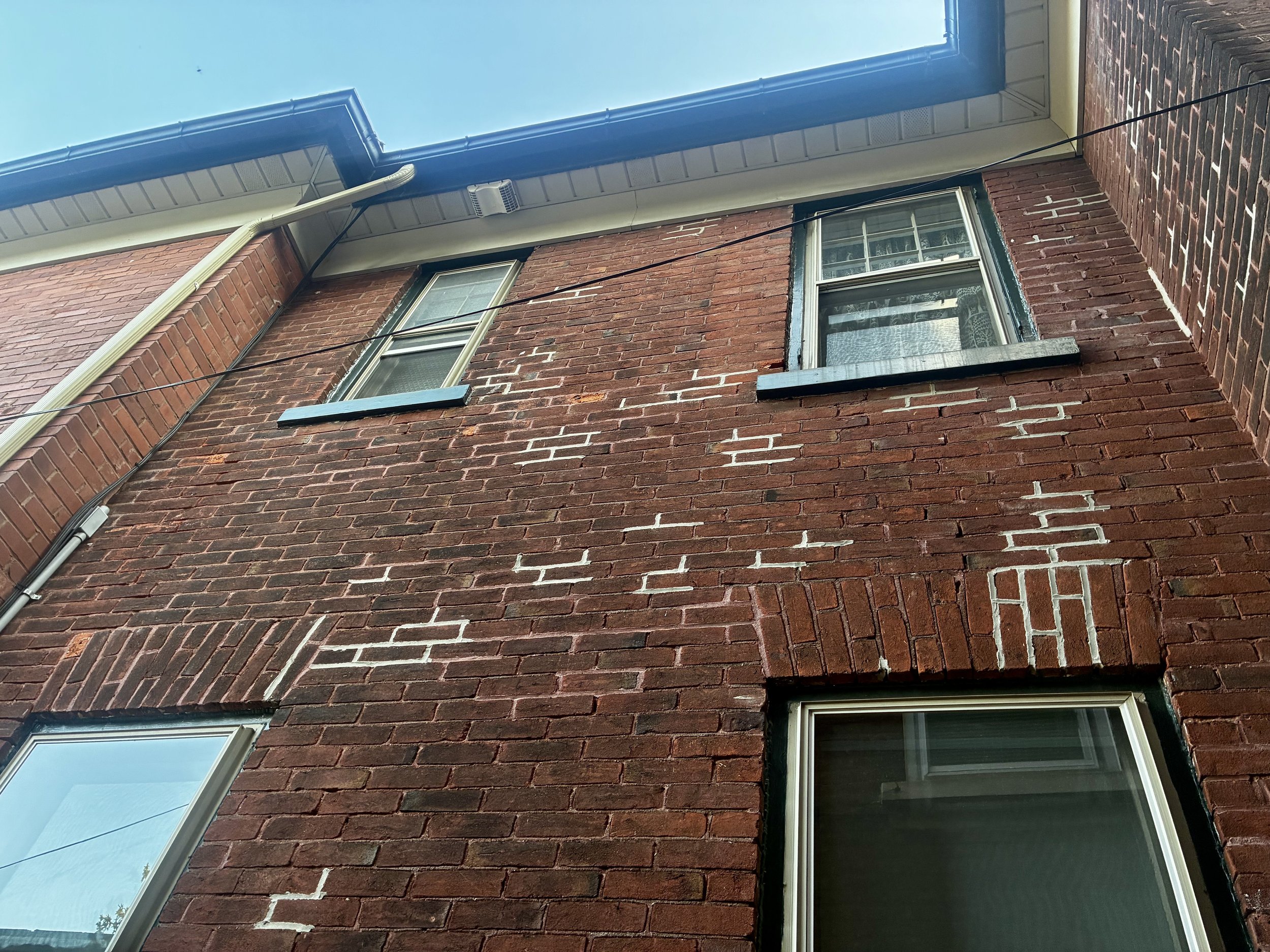
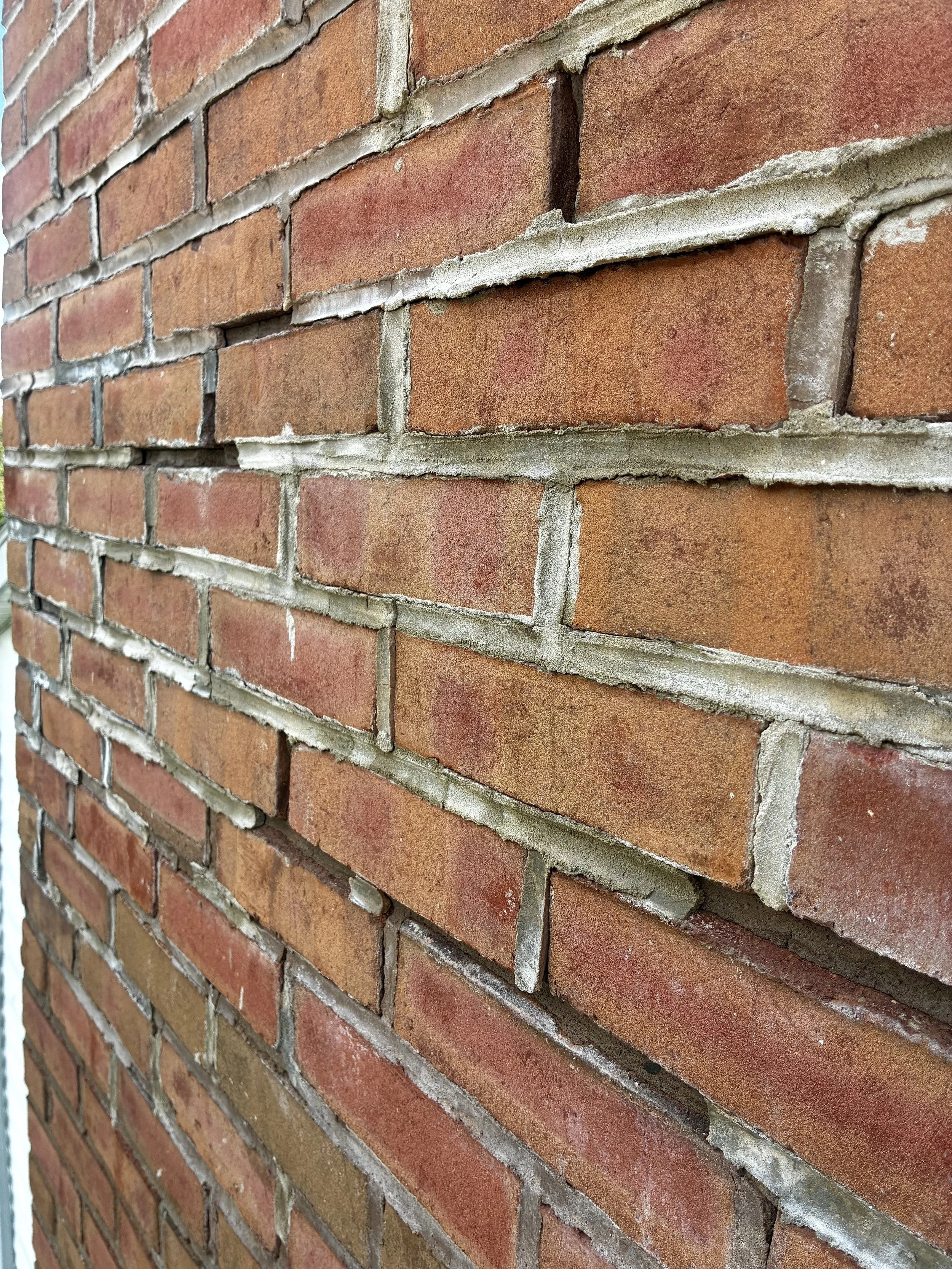
-
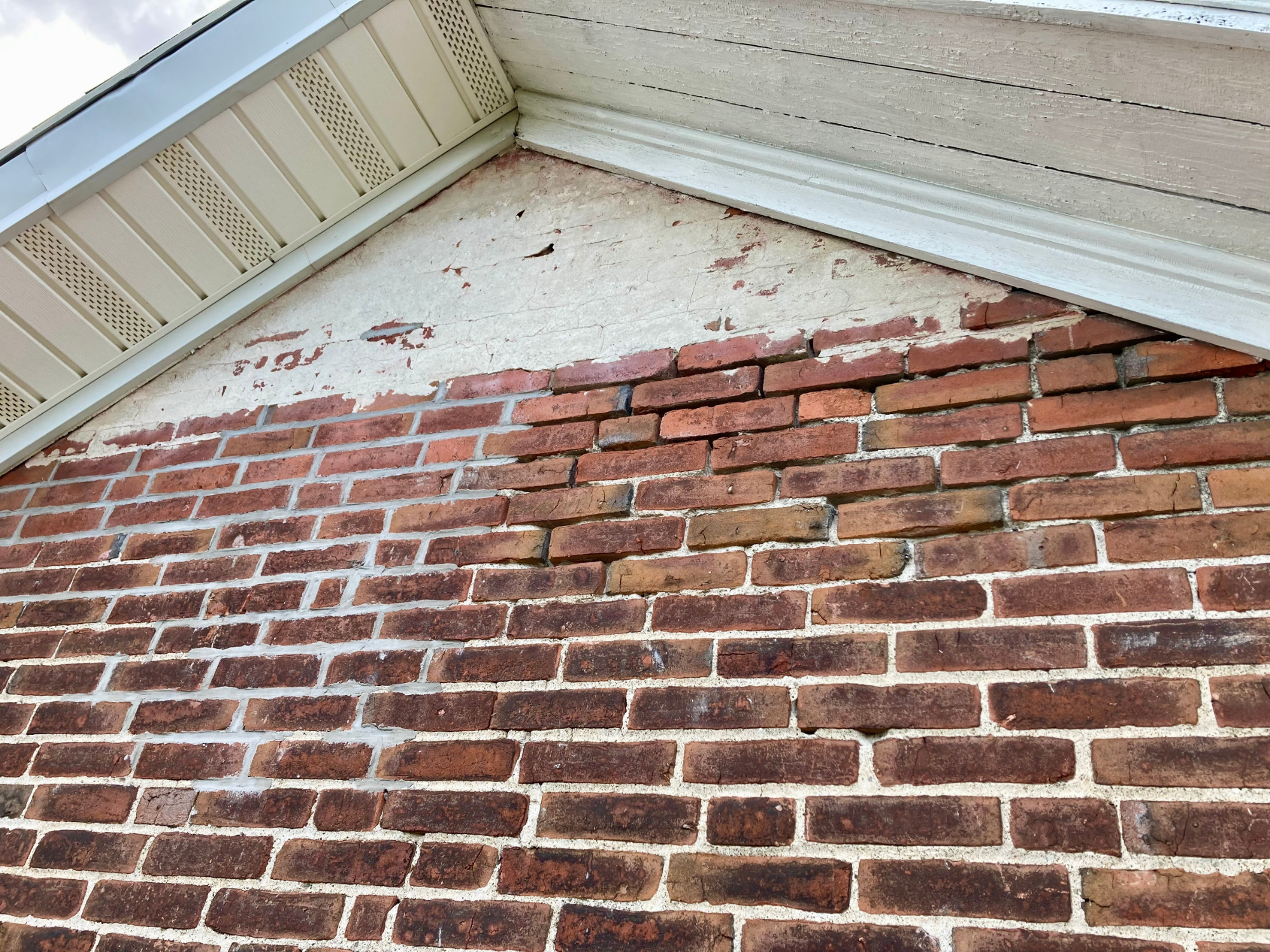
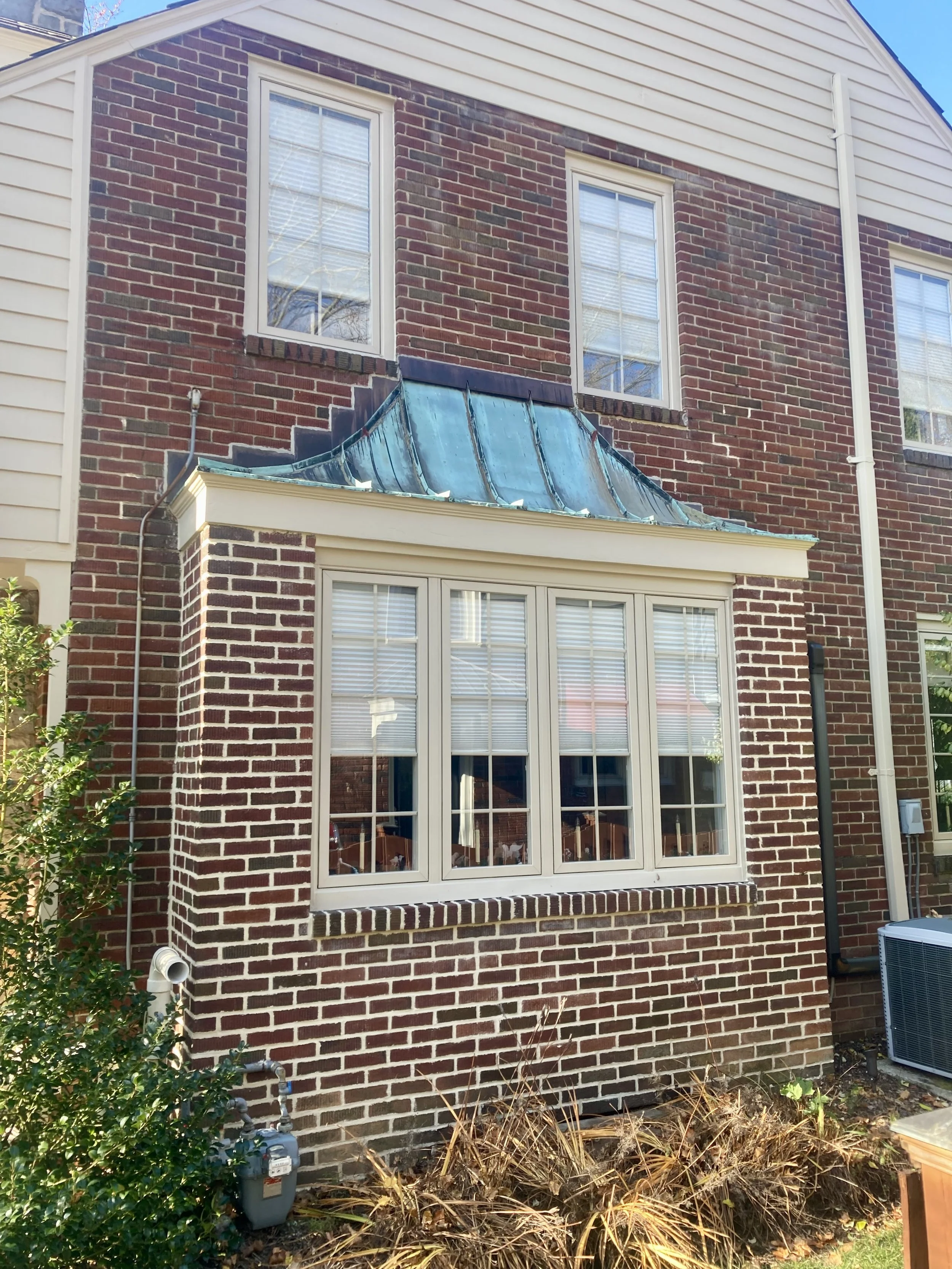
WHAT IS IT?
The new mortar does not match the original mortar’s color, texture, joint width, strength, or appearance.IMPROPER METHOD:
Using generic gray or white mortar and installing wide, rough, or modern joints without matching the original masonry.WHAT CAN HAPPEN:
The repair can leave bright, uneven lines across the home and permanently change its appearance. It can reduce the building’s historic character, lower its value, and can cause problems with local preservation requirements. -
WHAT IS IT?: The new mortar is harder than the historic brick around it.
IMPROPER METHOD: Using off-the-shelf or other modern cement-heavy mortar without checking compatibility with the original masonry.
WHAT CAN HAPPEN: The hard mortar forces movement and moisture pressure into the softer brick. This can cause the original bricks to crack, split, spall, and become damaged while the mortar may stay intact.
-
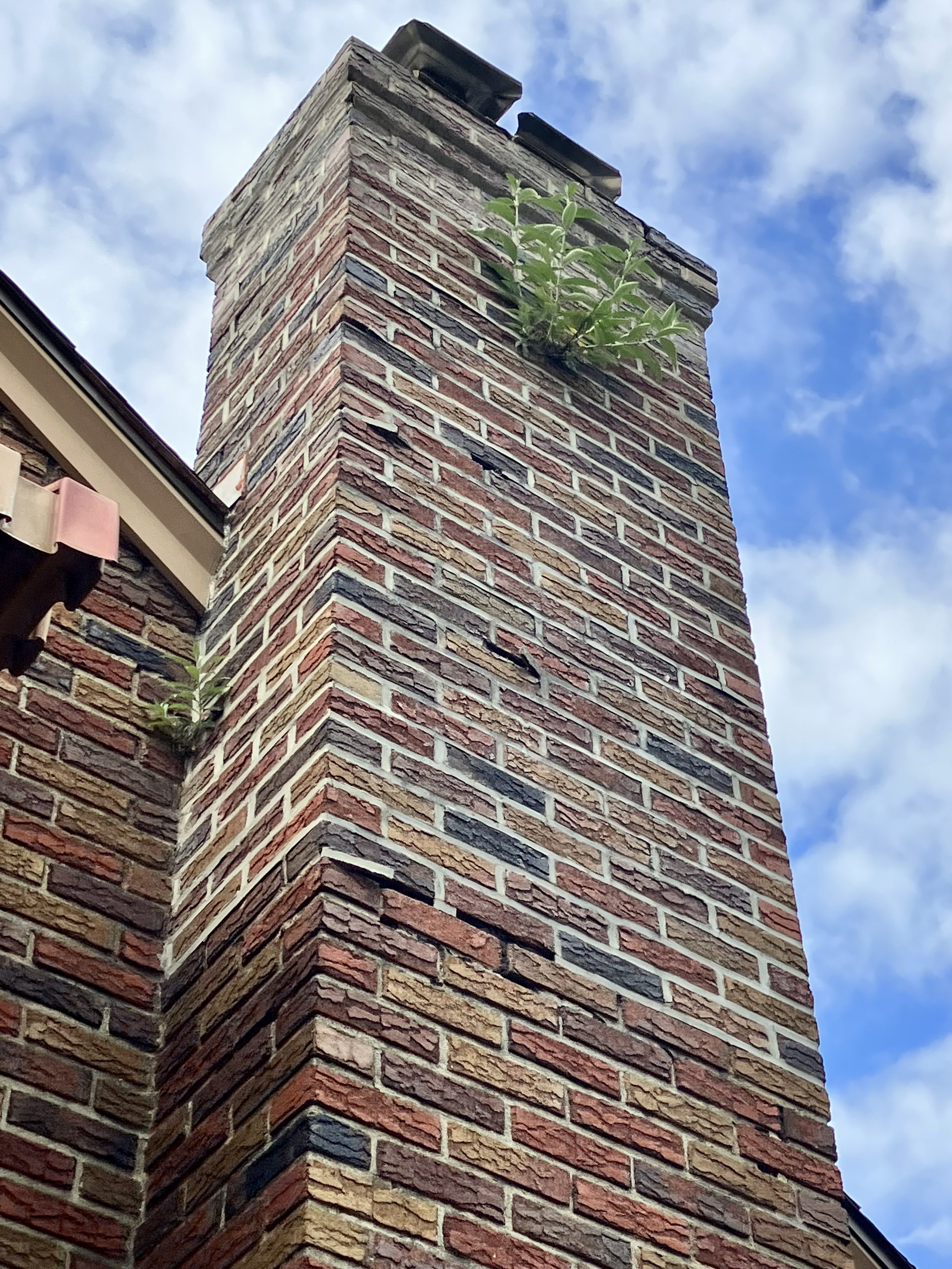
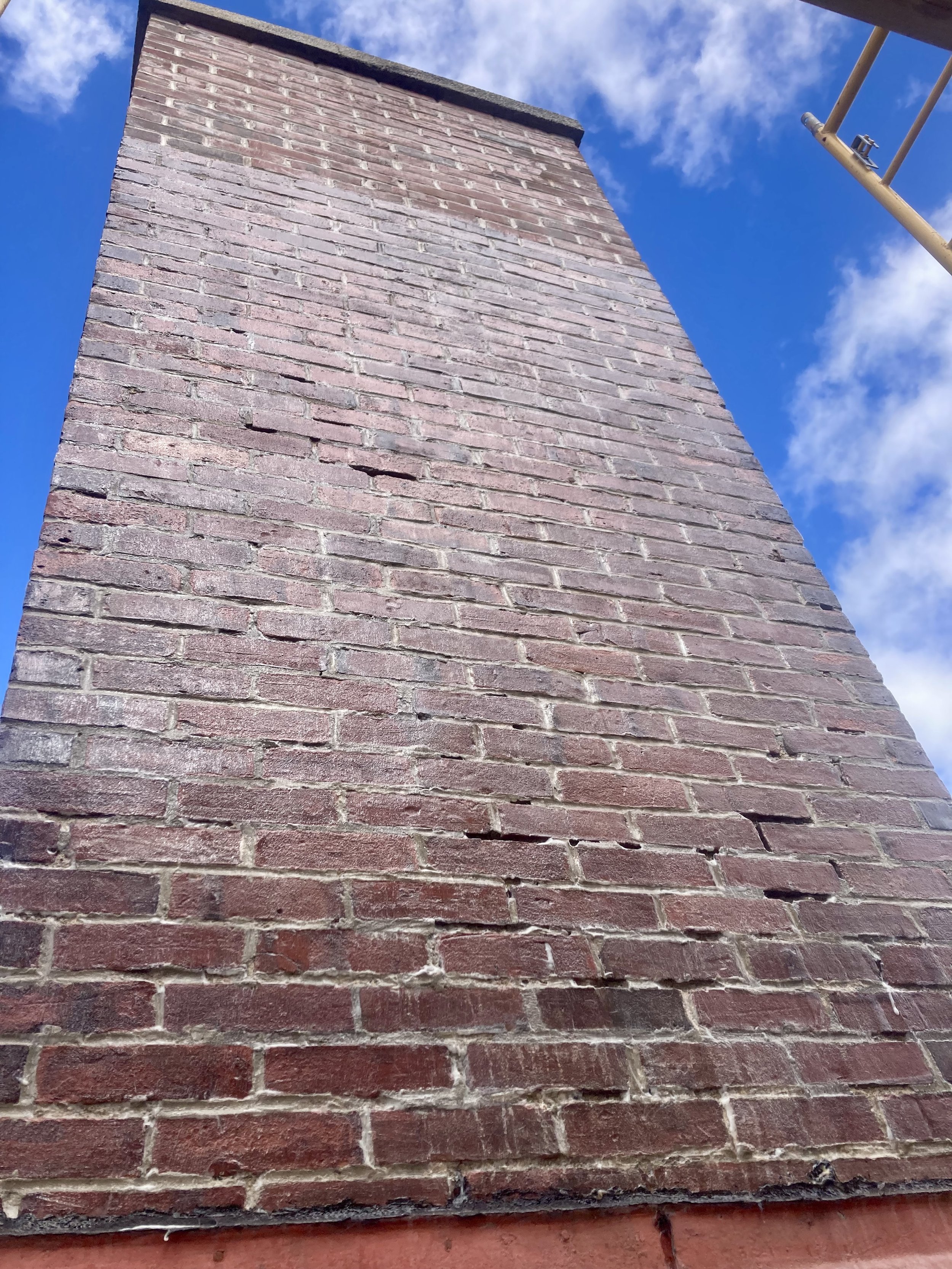
WHAT IS IT?
Mortar joints have cracked, eroded, separated, or fallen out, leaving gaps between the bricks or stones.IMPROPER METHOD:
Ignoring deteriorated joints, filling only the surface, or allowing failed mortar to remain.WHAT CAN HAPPEN:
Water can enter deep into the wall and accelerate mortar loss, brick deterioration, and freeze-thaw damage. As the joints open further, the masonry units can loosen and the wall can lose stability. -
WHAT IS IT?
New brick and stone differ in strength, porosity, dimensions, texture, or weathering characteristics from the original material.IMPROPER METHOD:
Installing modern brick or stone without checking if it is physically compatible with the historic wall.WHAT CAN HAPPEN:
Replacement units may absorb, release, and respond to moisture differently than surrounding masonry. This can cause cracking, uneven weathering, staining, trapped moisture, and damage to original materials around the repair. -
WHAT IS IT?
The mortar joint is finished with the wrong shape, depth, or tooling for historic masonry.IMPROPER METHOD:
Using the same modern concave or flat joint on every building without matching the original profile.WHAT CAN HAPPEN:
The wrong profile can leave gaps or ledges that collect water against the brick. Moisture and freezing can damage brick edges and speed up deterioration along the joints. This may also reduce the appearance and character of your historic masonry home. -
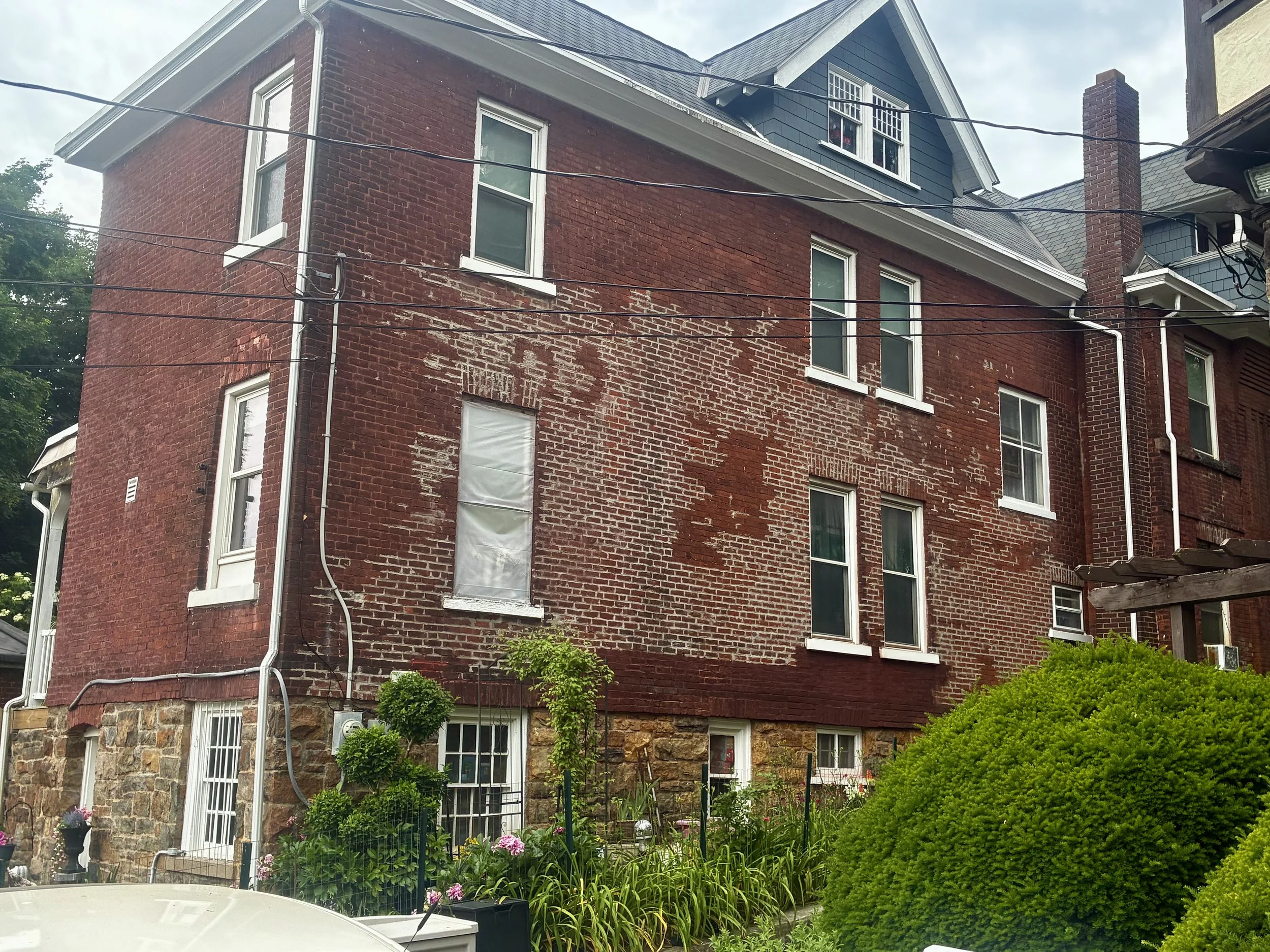
WHAT IS IT?: Moisture becomes trapped inside the brick wall instead of drying out naturally.
IMPROPER METHOD: Applying incompatible mortar, waterproof cement coatings, non-breathable paint, or clear silicone sealers over historic brick.
WHAT CAN HAPPEN: Trapped water can freeze and expand, breaking the faces off the bricks “spalling.” It can also cause damp walls, damaged plaster, mold, rotting wood, and hidden ongoing masonry deterioration.
-
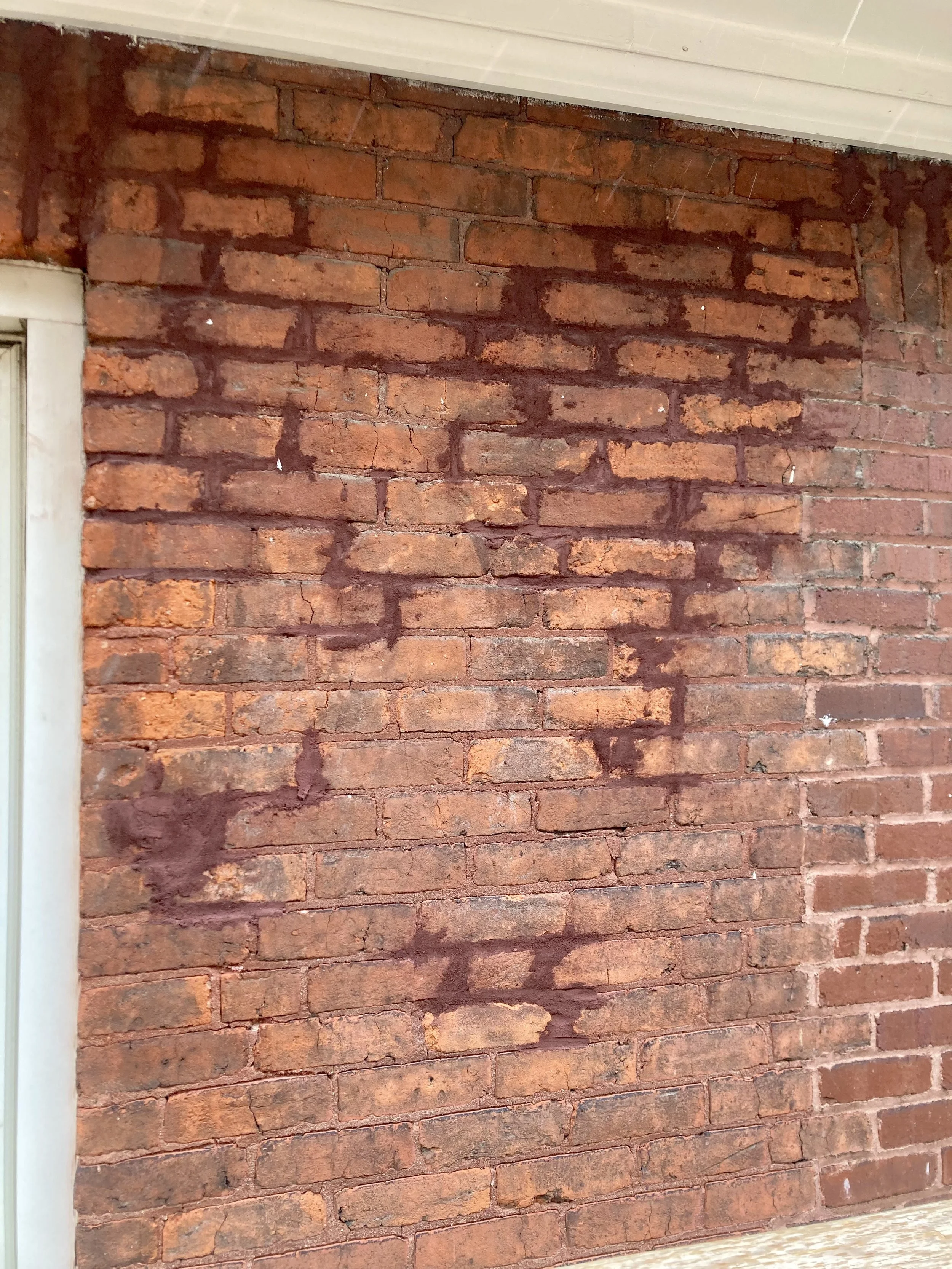
WHAT IS IT?: A thin layer of new mortar is smeared over old, loose, or recessed mortar.
IMPROPER METHOD: Not removing deteriorated mortar and then covering the joint with a thin cosmetic layer.
WHAT CAN HAPPEN: The new mortar can crack, separate, and fall out because it never bonded deeply to the joint. Water then enters the hollow areas behind it and can damage the wall from the inside.
-
WHAT IS IT?
Mortar is smeared across the face of the brick or stone instead of being kept inside the joints.IMPROPER METHOD:
Applying mortar carelessly, allowing it to dry on the masonry surface, or trying to remove it later with harsh cleaning methods.WHAT CAN HAPPEN:
Hardened mortar can permanently stain and disfigure the masonry. Aggressive removal can scratch, burn, or strip away the original protective surface of the brick or stone. -
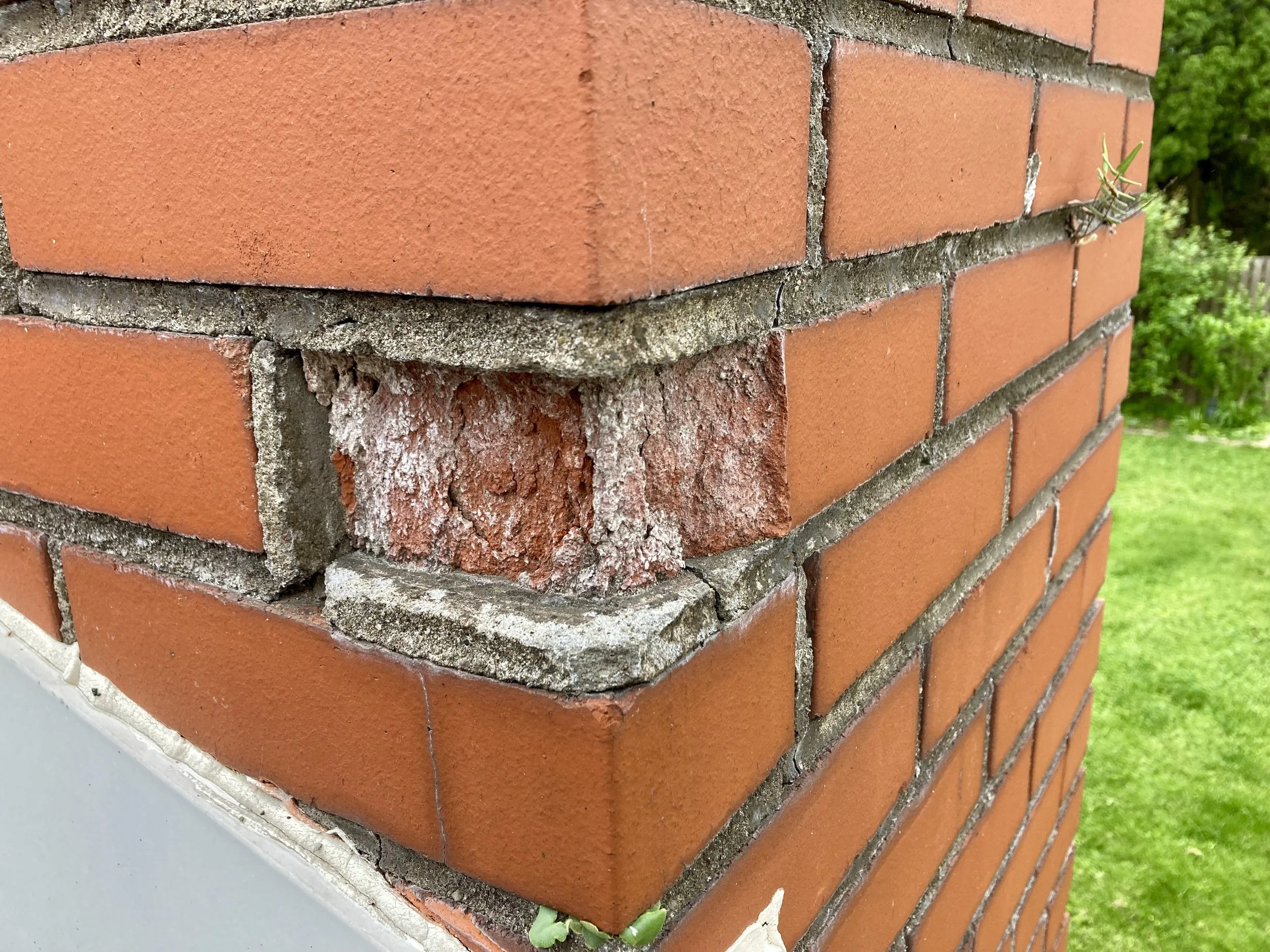
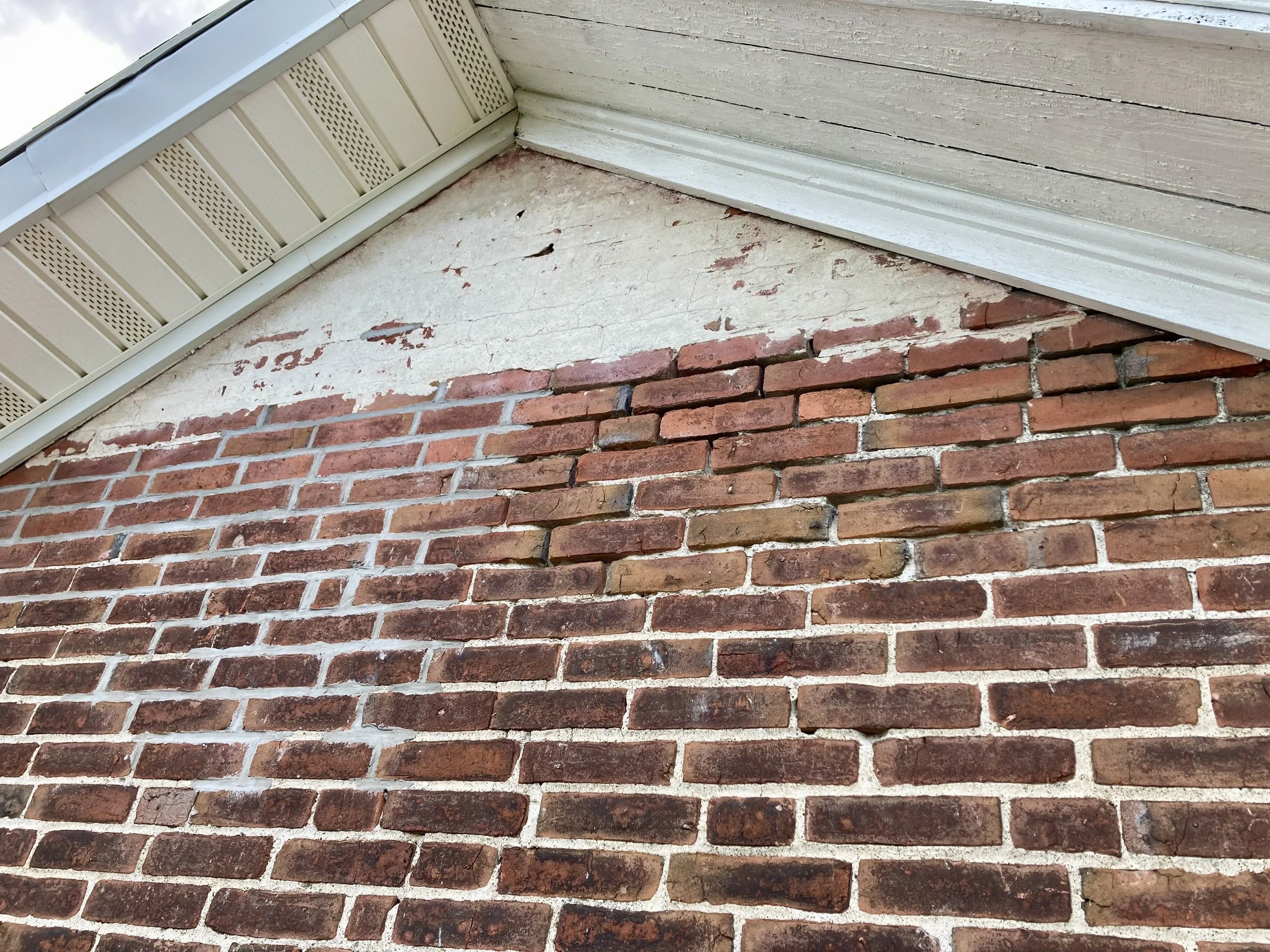
WHAT IS IT?: The outer face of the brick cracks, flakes, or breaks away.
IMPROPER METHOD: Using mortar that is too hard, trapping moisture, or applying materials incompatible with the wall.
WHAT CAN HAPPEN: The hard outer face of the brick can pop off and expose the softer interior clay. Once exposed, the brick absorbs more water and can crumble and can cause structural issues.
-
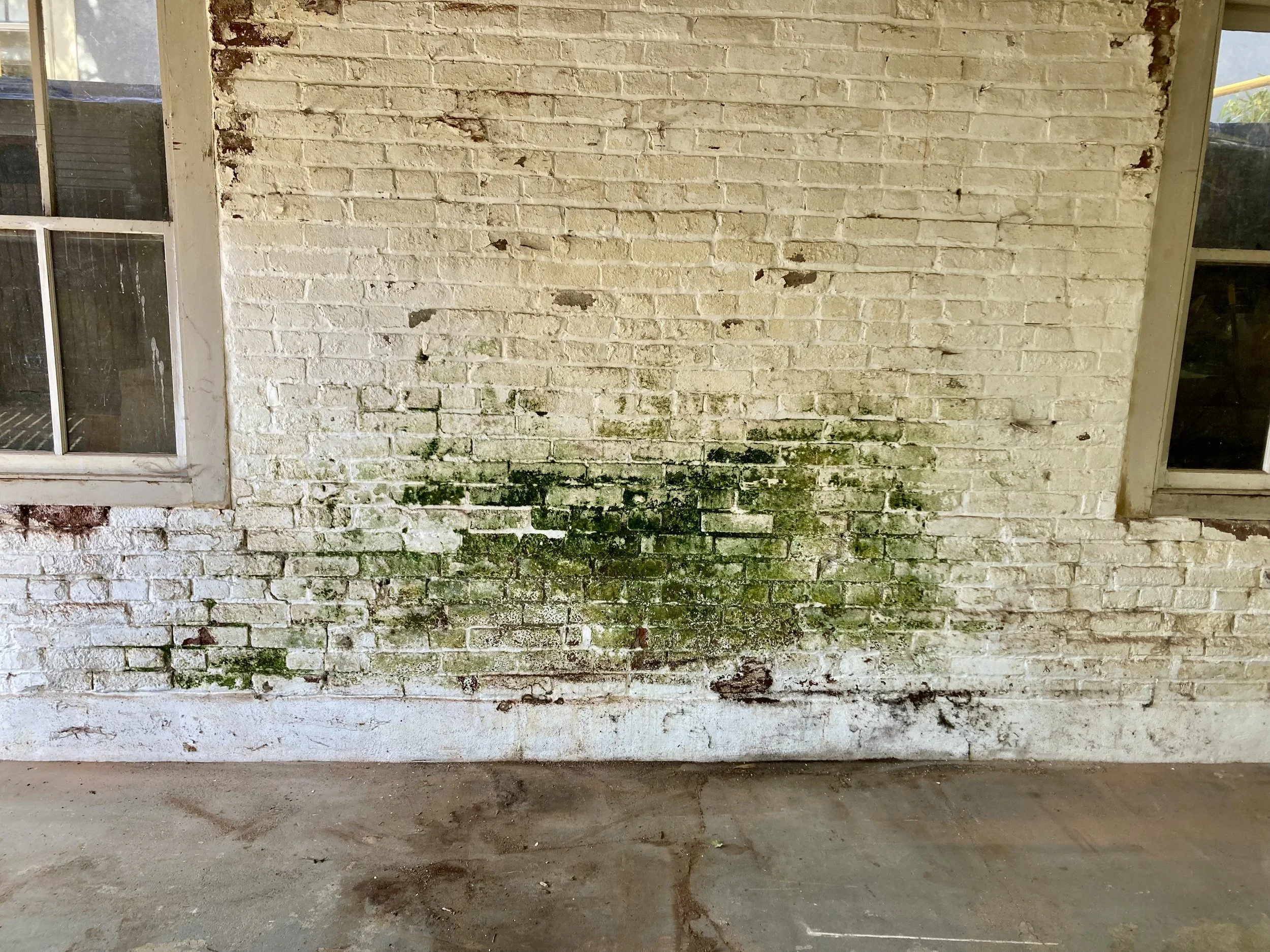
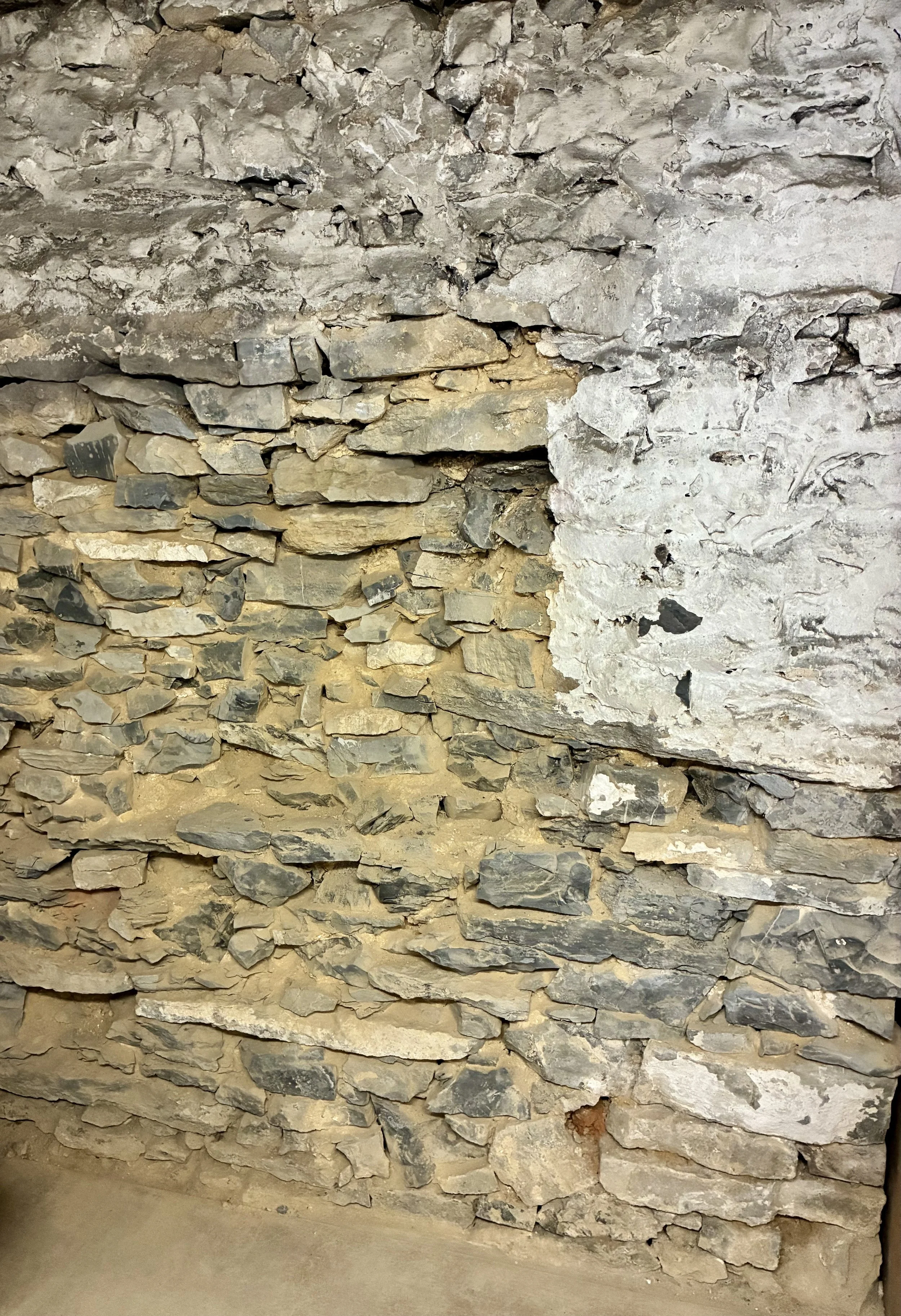
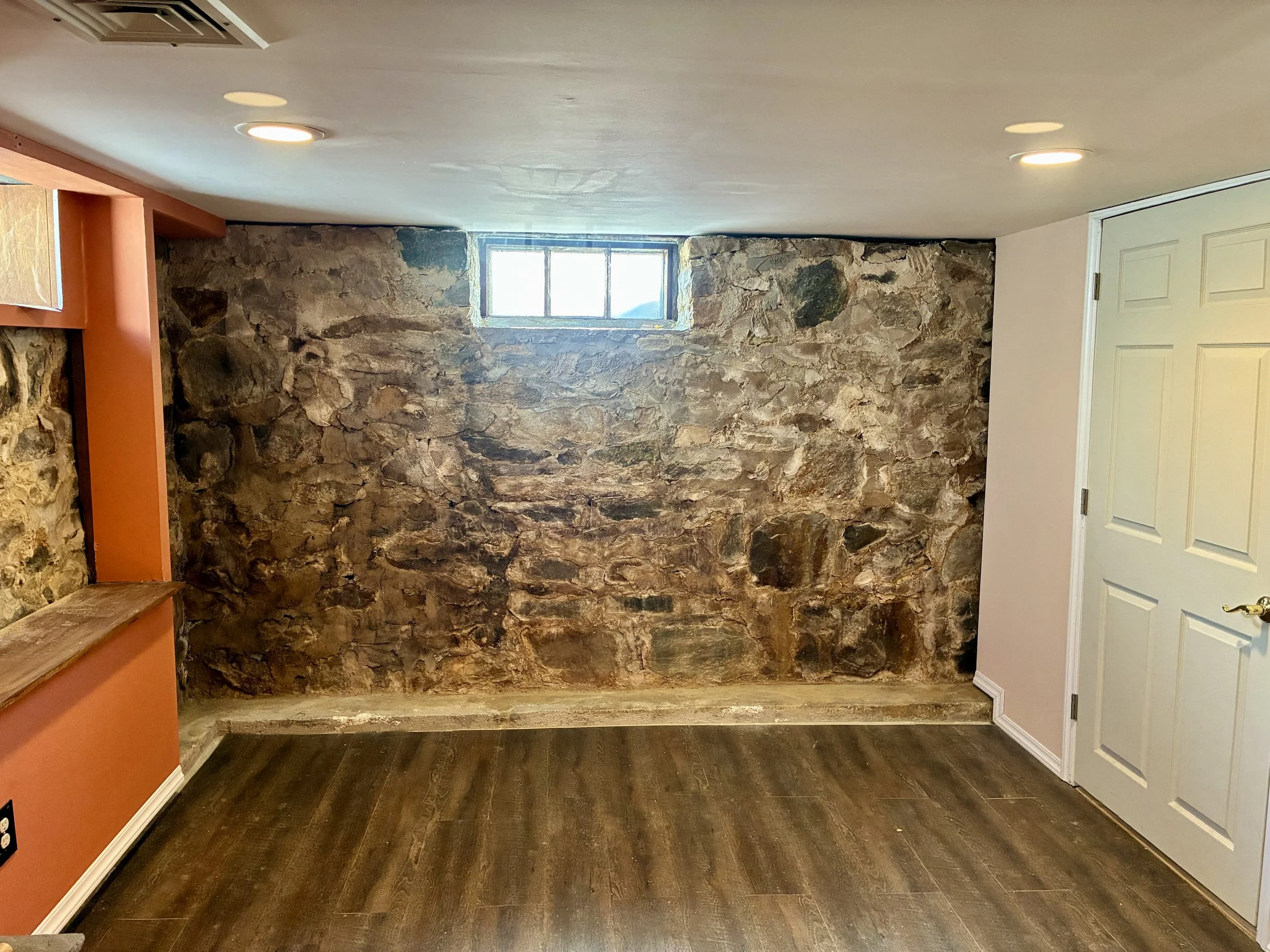
WHAT IS IT?
Groundwater travels upward through porous foundation masonry by capillary action.IMPROPER METHOD:
Covering the damp wall with dense cement, waterproof paint, or interior finishes without fixing the water source around the foundation.WHAT CAN HAPPEN:
A damp line can form several feet above the ground as mortar, brick, plaster, and embedded wood slowly deteriorate. Covering the wall can conceal the damage while moisture continues to rise inside of it. -
WHAT IS IT?: The new mortar does not properly bond to the existing brick and joint.
IMPROPER METHOD: Applying mortar over dust, loose debris, dry joints, or poorly cleaned masonry.
WHAT CAN HAPPEN: The mortar can become weak, hollow, cracked, or loose soon after installation. Heavy rain and winter weather can wash it out or can cause it to fall from the wall.
-
WHAT IS IT?
The new mortar dries, overheats, or freezes before it has time to harden properly.IMPROPER METHOD:
Installing mortar in unsuitable weather or failing to protect it from sun, heat, wind, freezing temperatures, and rapid moisture loss.WHAT CAN HAPPEN:
The mortar can remain chalky, sandy, brittle, or poorly bonded and can crumble when touched. Failed mortar may need to be completely removed and the entire project redone. -
WHAT IS IT?
Small cracks and separations form where the new mortar meets the brick.IMPROPER METHOD:
Using too much water, incorrect proportions, wrong sand, or improperly mixed mortar.WHAT CAN HAPPEN:
The mortar can shrink and pull away from the brick, creating small openings in the wall. These cracks let rainwater penetrate deeper into the masonry and cause hidden moisture damage. -
WHAT IS IT?
The brick’s protective outer surface is burned, stripped, or worn away when cleaned.IMPROPER METHOD:
Using strong muriatic acid, aggressive washing, wire wheels, grinders, sanders, or abrasive blasting.WHAT CAN HAPPEN:
The brick can lose its protective surface and expose the softer material underneath. It then absorbs more water, stains, softens, cracks, and deteriorates faster. -
WHAT IS IT?
Cracking caused by settlement, excessive loads, structural movement, thermal expansion, or poor support around openings.IMPROPER METHOD:
Filling or repointing the visible crack without identifying and fixing the cause of the wall movement.WHAT CAN HAPPEN:
The crack will usually reopen and may spread through the mortar and brick. Wider or expanding cracks can indicate serious movement that might eventually make part of the wall unstable. -
WHAT IS IT?
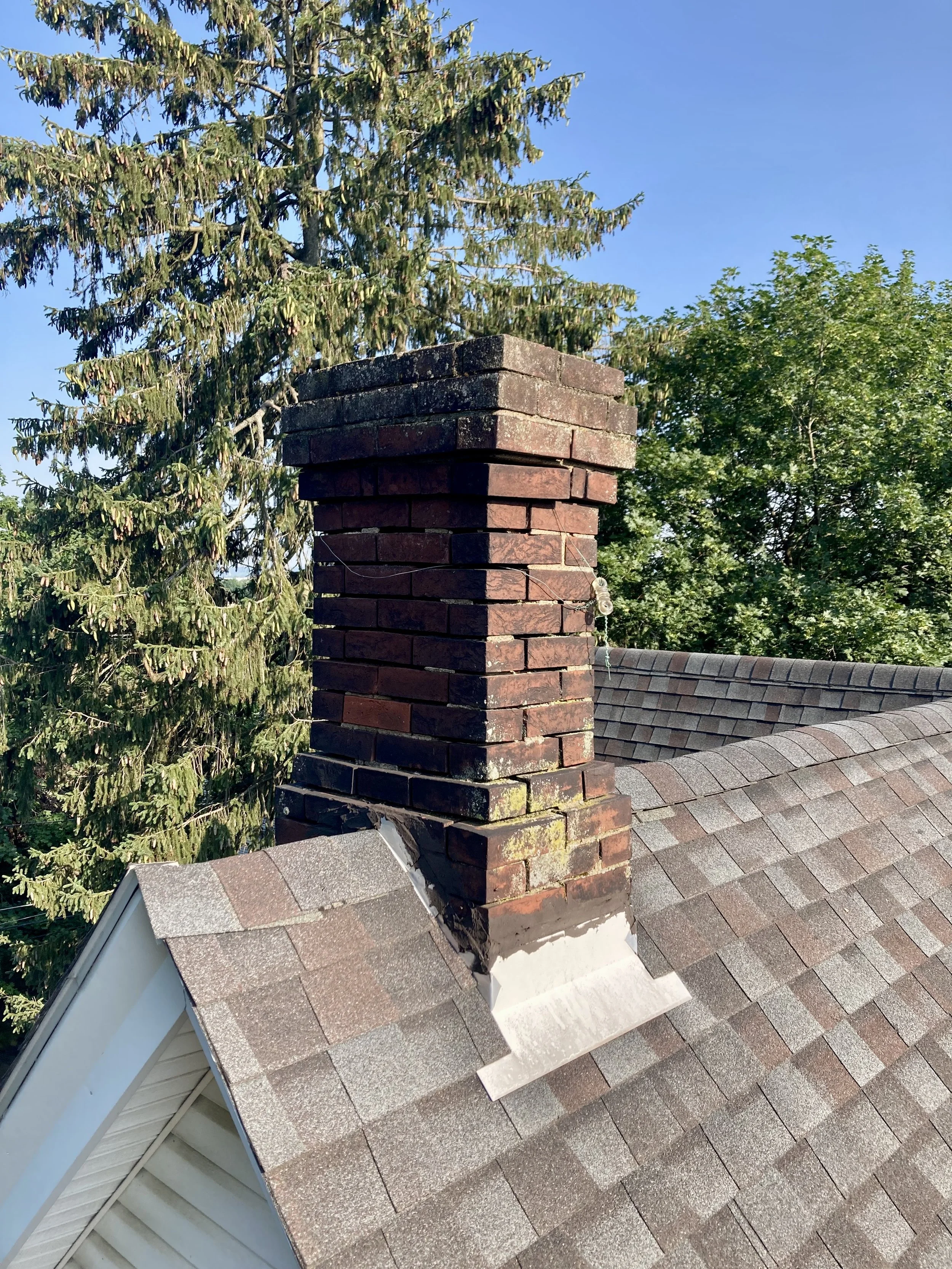
Cracks develop in the masonry crown at the top of the chimney, allowing water to enter below.IMPROPER METHOD:
Installing a thin, flat, poorly reinforced crown or patching visible cracks without rebuilding the deteriorated masonry crown properly.WHAT CAN HAPPEN:
Water can enter the chimney and freeze repeatedly inside the brick and mortar. This can cause open joints, spalling bricks, loose masonry, interior leaks, and eventually major chimney rebuilding. -
WHAT IS IT?
Steel lintels, anchors, ties, or other metal pieces hidden inside the masonry begin rusting.IMPROPER METHOD:
Repointing cracked masonry around the metal without addressing the moisture and corrosion underneath it.WHAT CAN HAPPEN:
Rusting steel expands and pushes the surrounding masonry apart. This creates horizontal cracks, lifted bricks, and loose masonry above windows and doors. Continued corrosion can weaken the support and cause a masonry hazard. -
WHAT IS IT?
A section of the wall bends, leans, or pushes outward from its original position.IMPROPER METHOD:
Patching visible cracks without investigating failed wall ties, separated wall layers, moisture damage, or structural movement.WHAT CAN HAPPEN:
The outer masonry can continue separating from the wall behind it. In severe cases, bricks or whole sections of the wall can loosen. -
WHAT IS IT?
Water carries dissolved salts into the masonry, where they crystallize inside the brick or stone as water evaporates.IMPROPER METHOD:
Cleaning visible white deposits without correcting the moisture source inside the wall.WHAT CAN HAPPEN:
Salt crystals growing beneath the surface create pressure that can powder, flake, and break apart the masonry. Visible efflorescence may warn of more damaging salt buildup below the surface. -
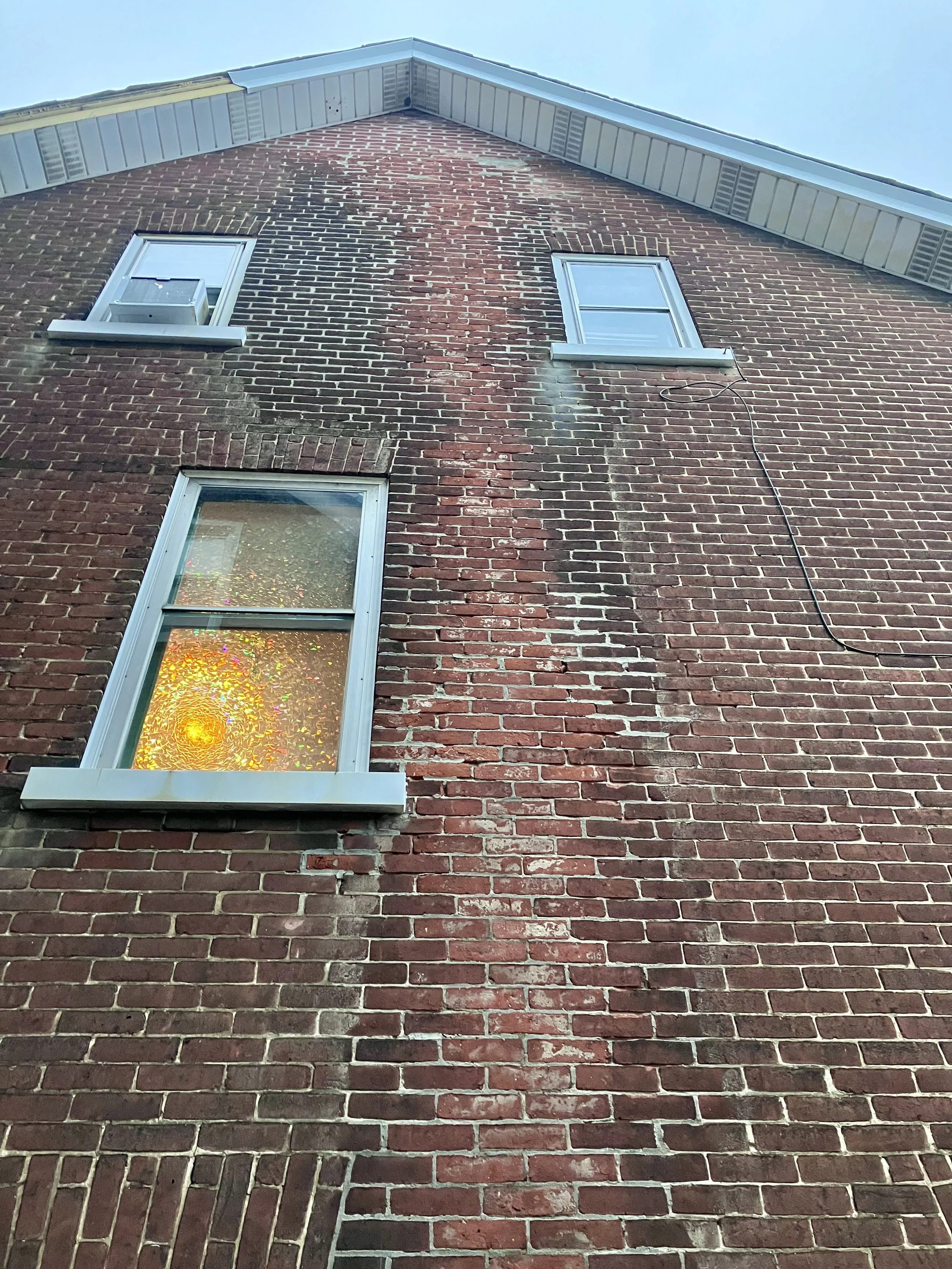
WHAT IS IT?
Vines, roots, moss, algae, and other growth establish on or inside the masonry.IMPROPER METHOD:
Allowing vegetation to grow against the wall or pulling vines off without checking how deeply they entered the joints.WHAT CAN HAPPEN:
Roots can open and erode mortar joints while dense growth holds moisture against the wall. This leads to loose mortar, staining, water penetration, and faster masonry deterioration. -
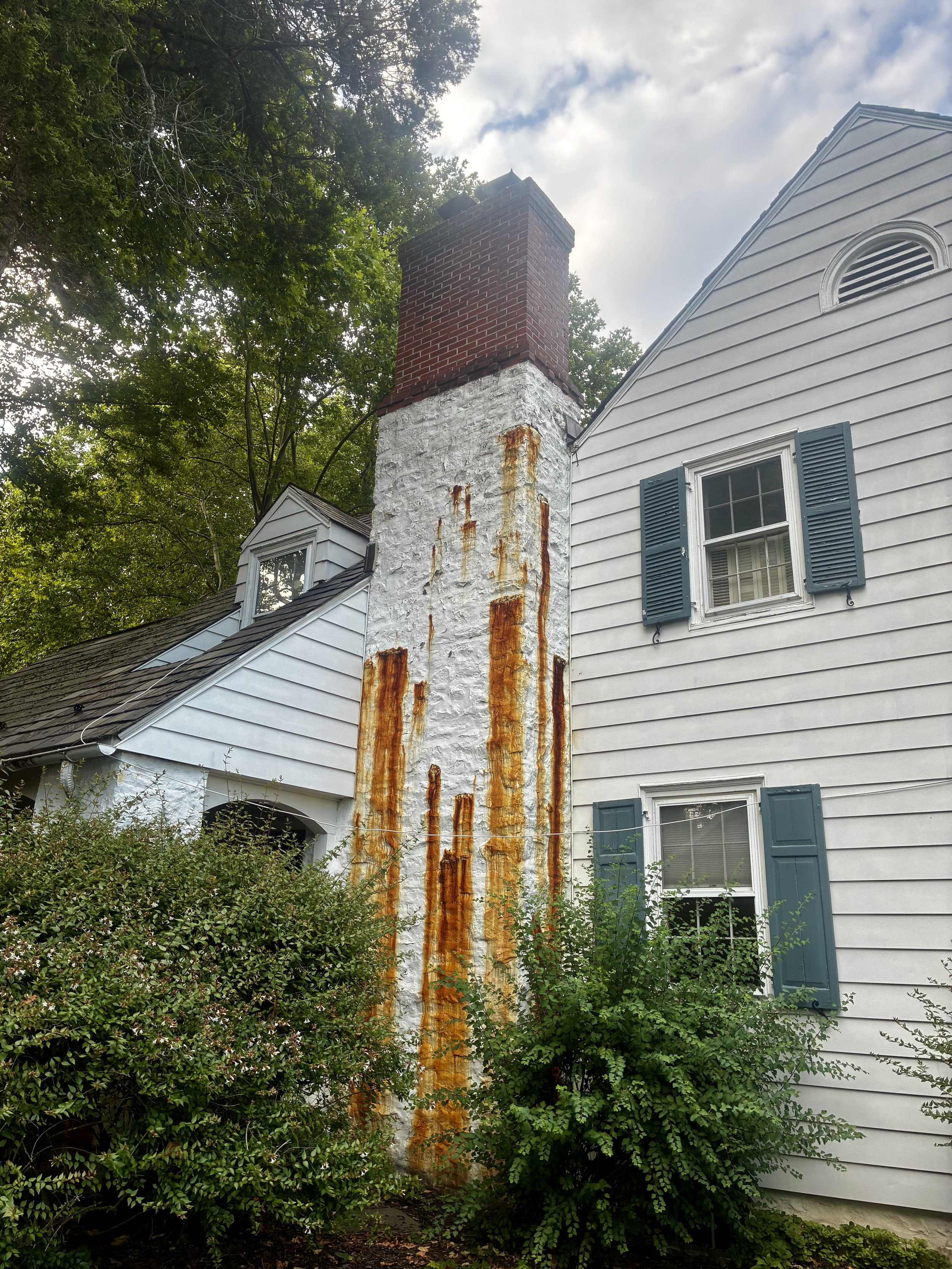
WHAT IS IT?
Orange or brown rust stains appear on the stone, often from metal anchors, fasteners, railings, flashing, or natural iron minerals within it.IMPROPER METHOD:
Cleaning or covering the visible stain without identifying and fixing the source of rust or corroding metal inside the masonry.WHAT CAN HAPPEN:
If embedded metal rusts, it can expand and crack, spall, or push stone sections away from the wall. Even when staining is mainly cosmetic, it can penetrate the stone’s pores, spread across the facade, and become very difficult to remove. -
WHAT IS IT?
Brick or stone is cracked, chipped, displaced, or broken after being struck by a vehicle, equipment, falling debris, a tree limb, or another heavy object.IMPROPER METHOD:
Patching only the visible surface damage without checking for loose masonry, hidden cracks, displaced units, or deeper damage inside the wall.WHAT CAN HAPPEN:
The impact can break the bond between masonry units and create hidden cracks that let water into the wall. Loose bricks or stones may keep shifting, falling, or cause a larger section of the wall to become unstable.